Research & Development of Essential Service Solutions
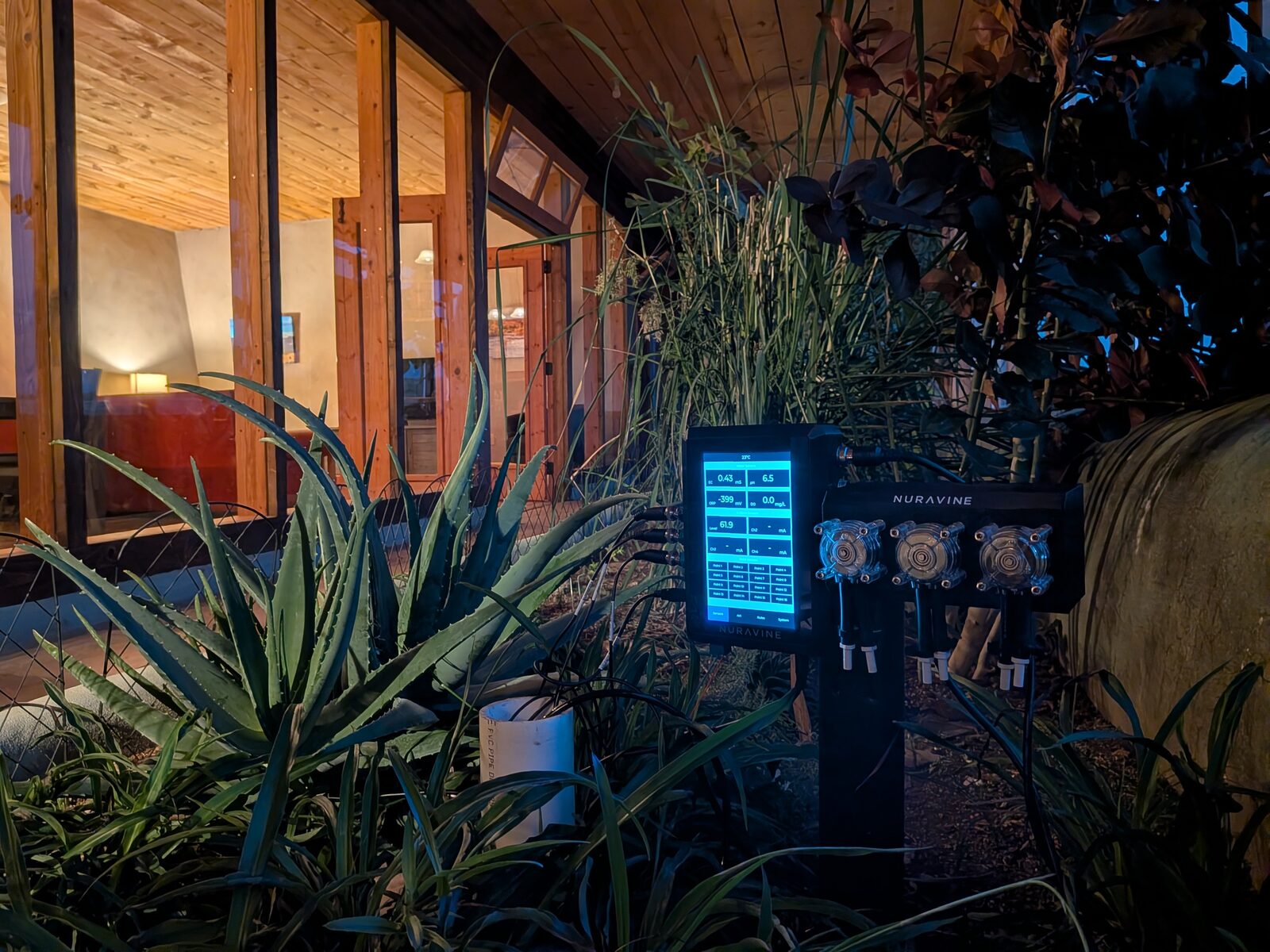
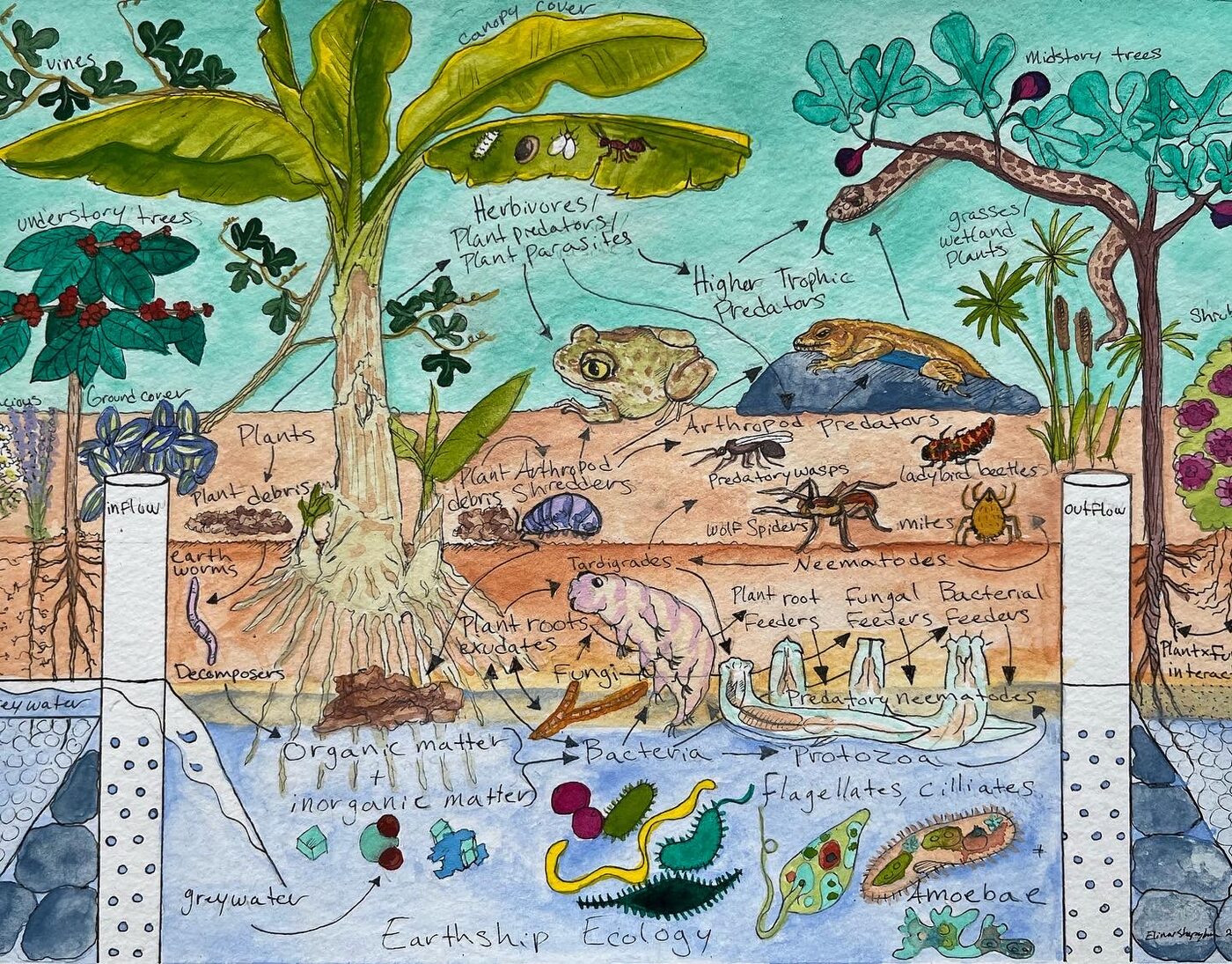
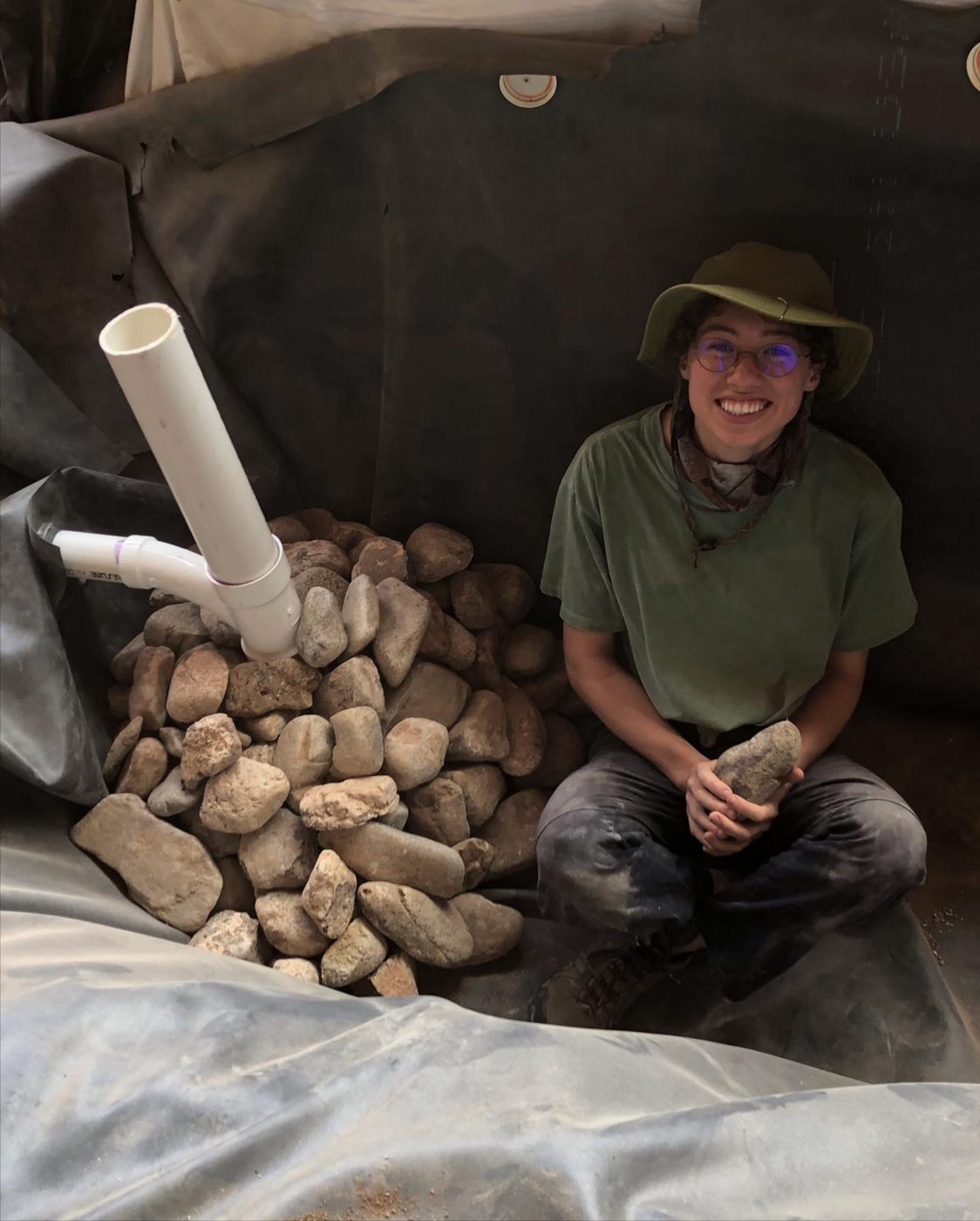
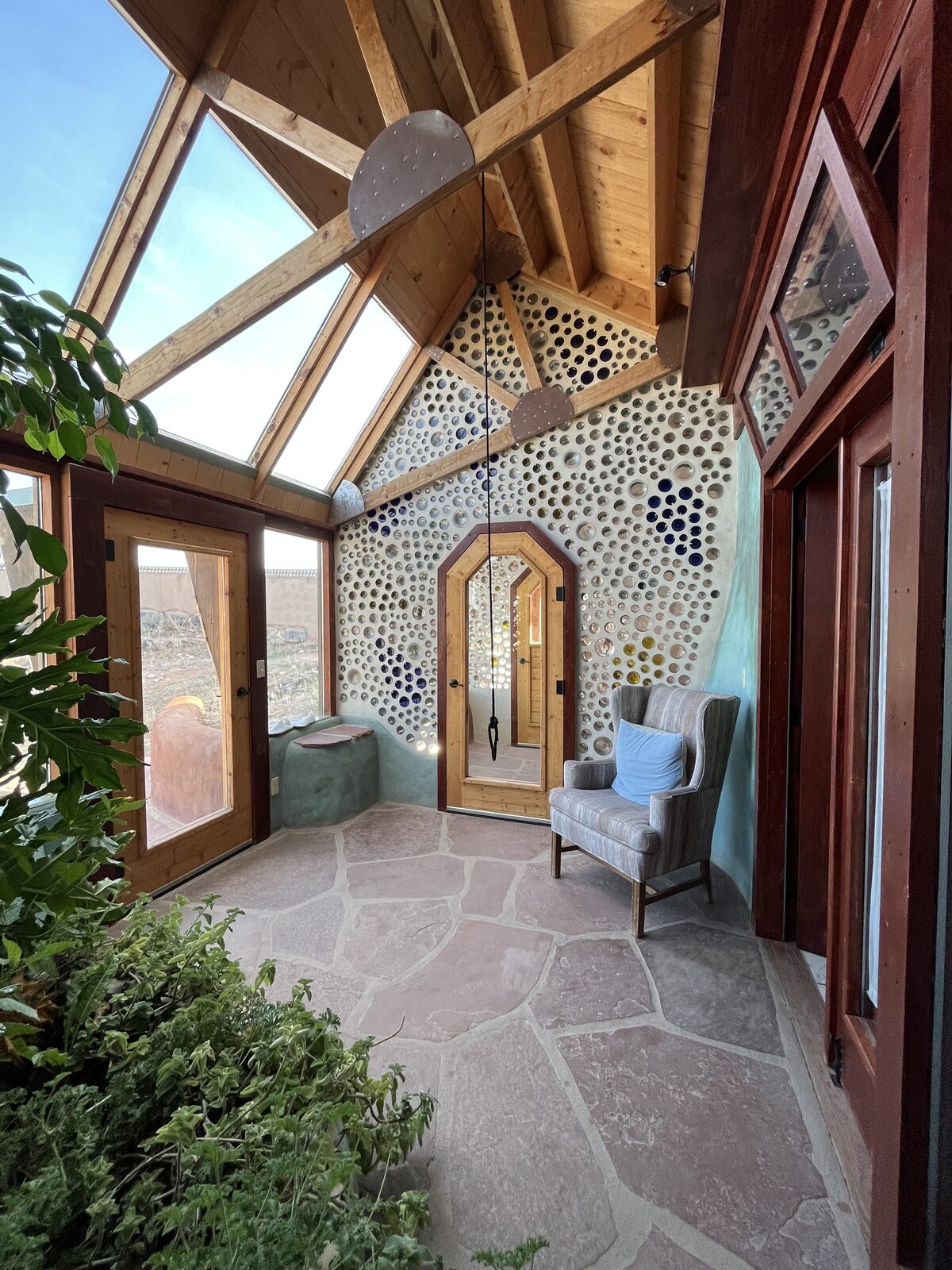
Research, development, and education on solutions for meeting our essential needs for living. This interdisciplinary work includes tools from earthship biotecture, biomimicry, and bio-utilization to partner with nature for intentional place-based solutions. The scope of these projects encompasses building with natural and garbage materials, passive heating and cooling, water collection and remediation systems, food production, and electricity generation systems that perform without fossil fuel inputs.
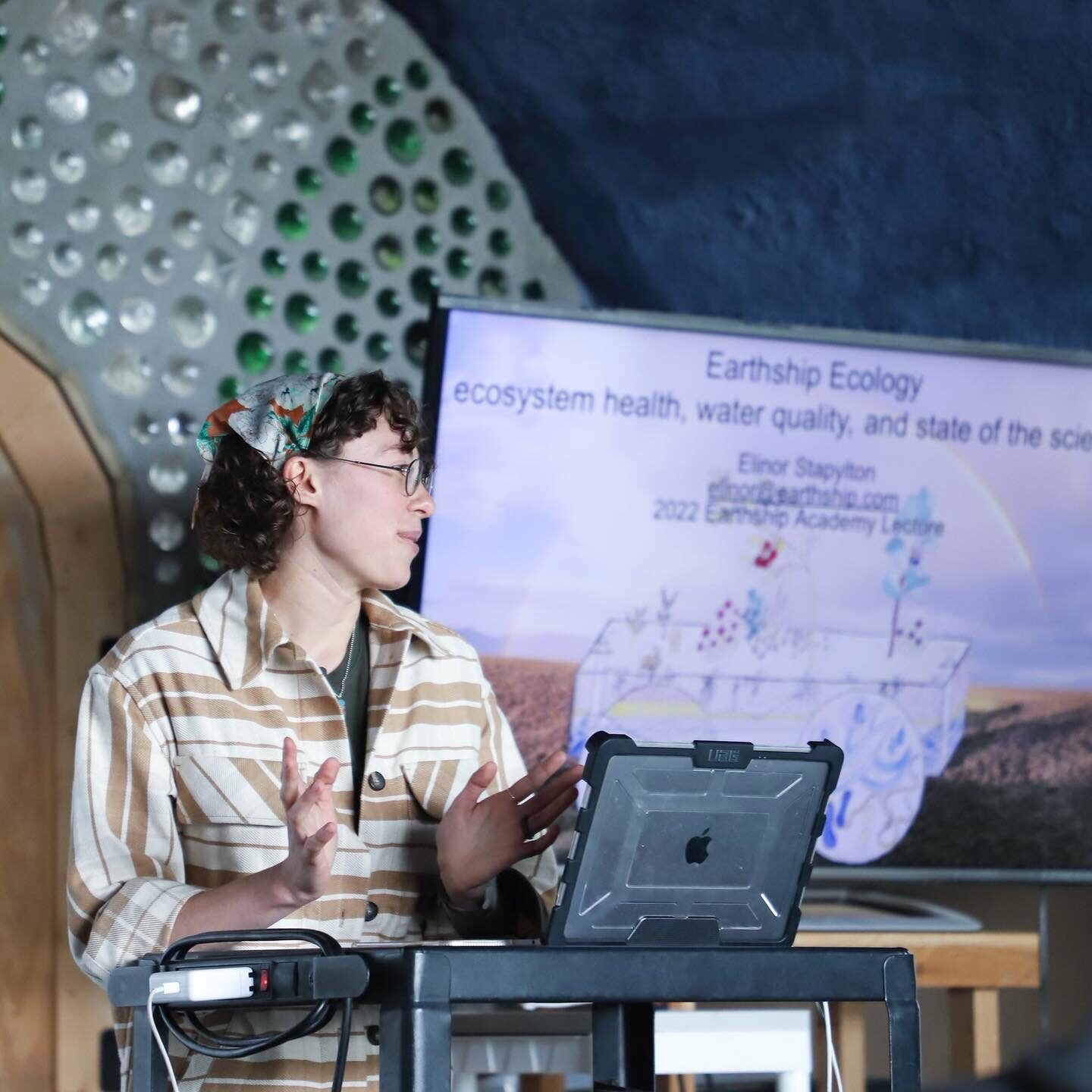
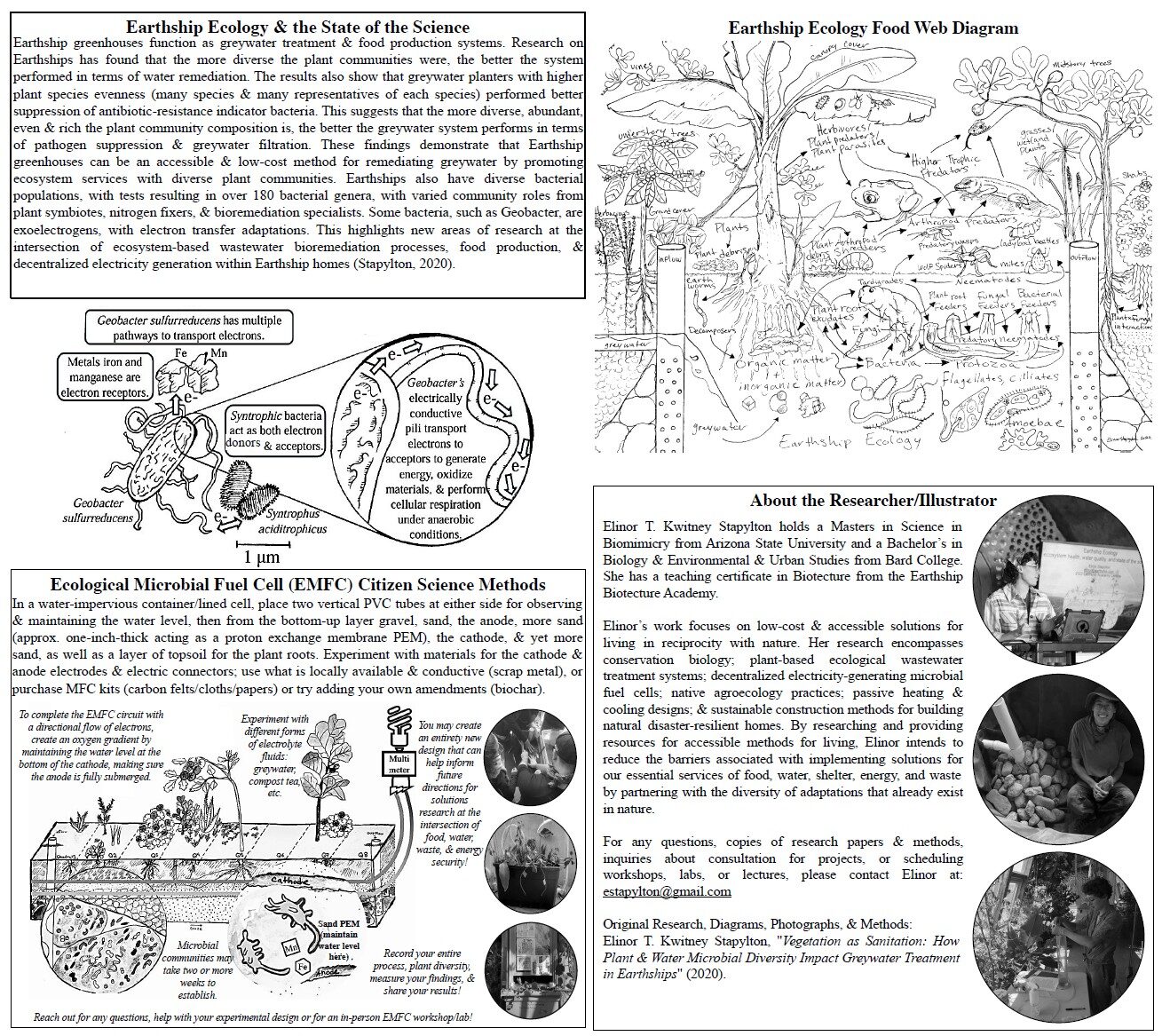
By using low-cost multiparameter testing methods, adaptive management and biomonitoring practices, we can best learn how to partner with nature for intentional solutions. In Elinor’s research on earthship greywater greenhouse systems biodiversity and health metrics demonstrated safe greywater remediation, with higher plant diversity leading to significantly increased reductions of antibiotic resistance indicator bacteria and bacterial communities capable of generating electricity. These findings are incorporated in ongoing citizen science workshop methods for the implementation of solutions at the intersection of comfortable shelter, water and waste remediation, food production and decentralized electricity production to promote the adoption of solutions for the resilience of our supporting infrastructure systems.
Check the Events page for upcoming workshops related to sustainable solutions for living.


Native Ecology Conservation and Landscape Design
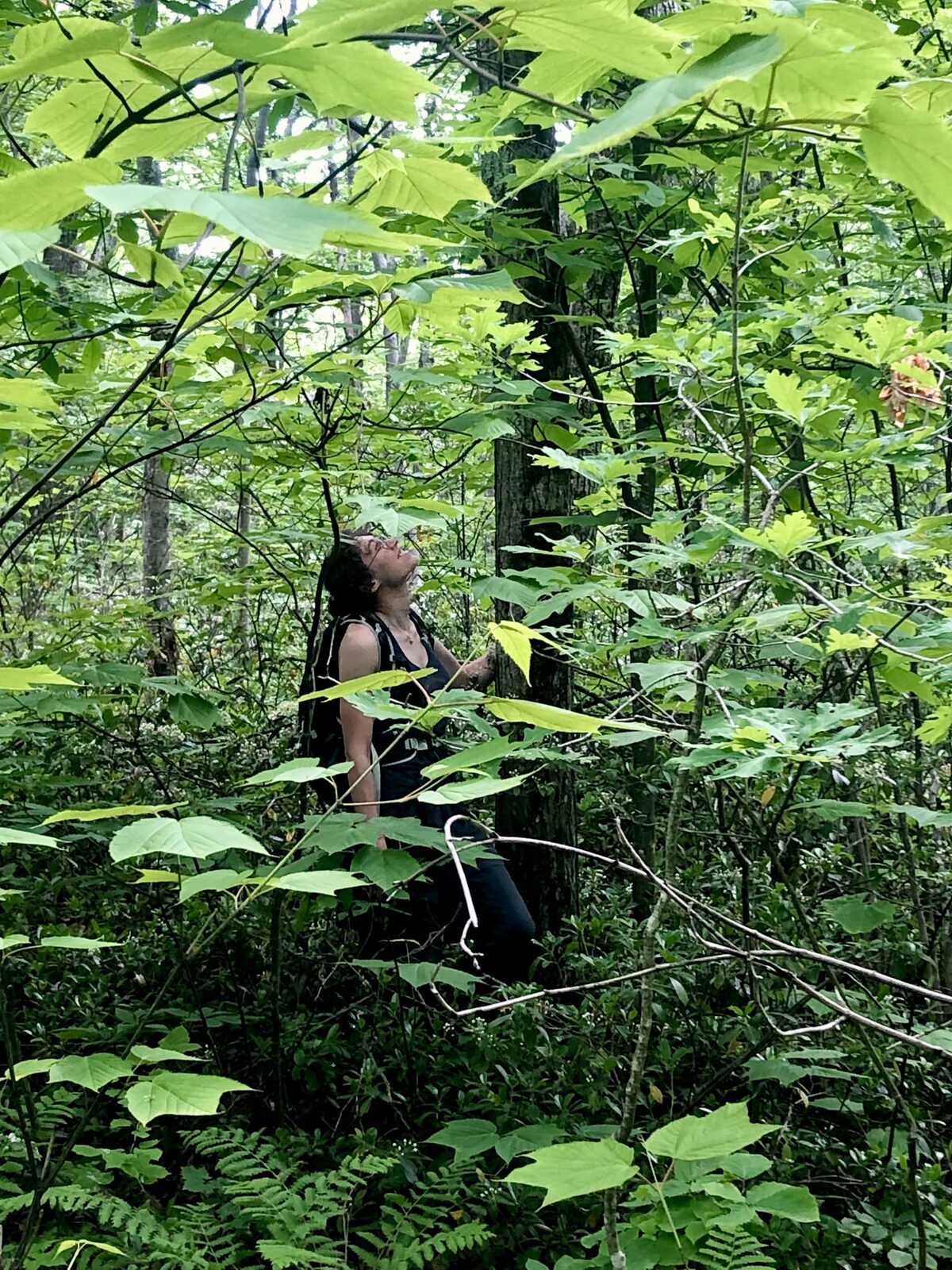
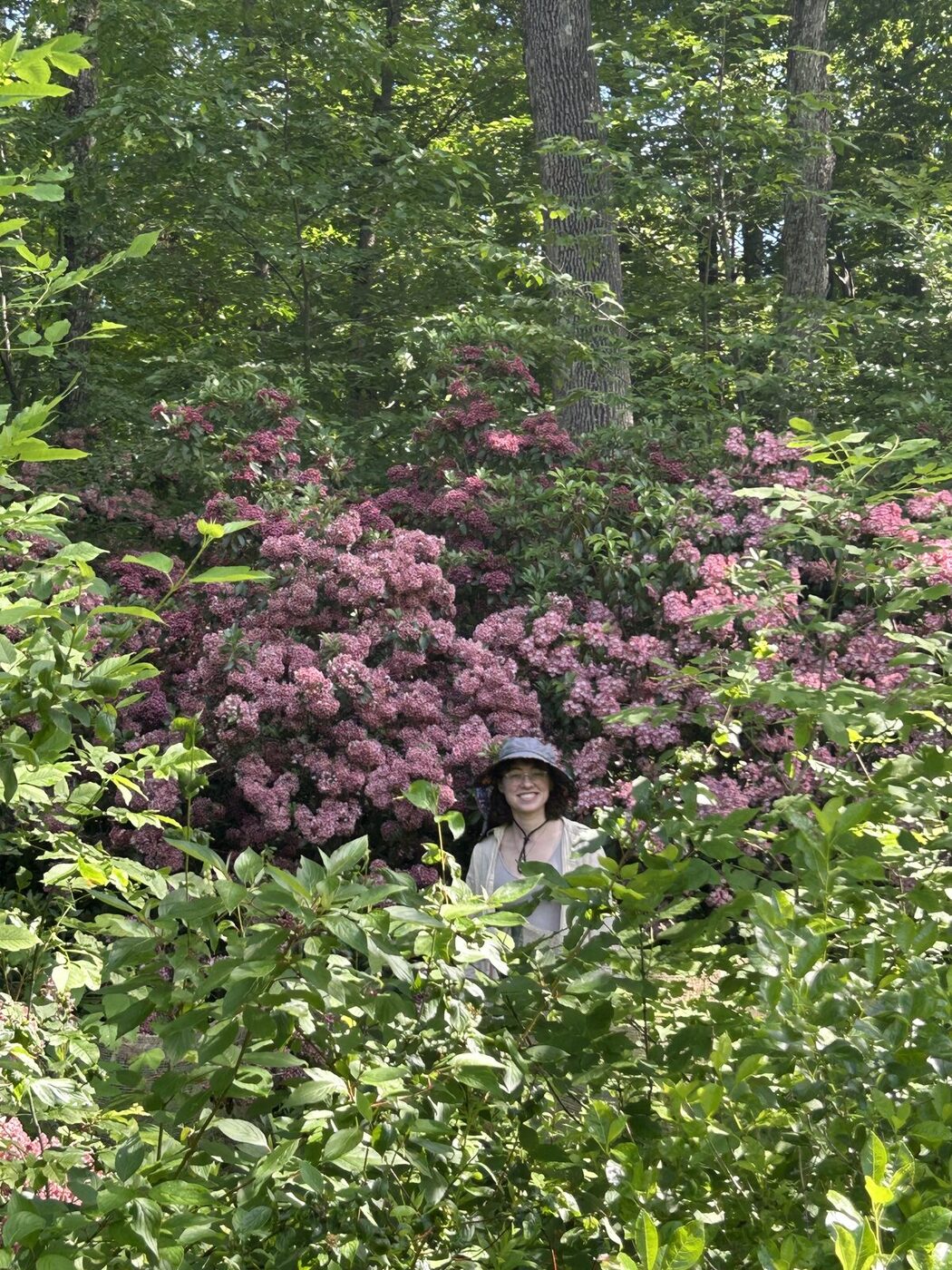
Land stewardship and watershed management practices related to bioregional habitat conservation for the preservation of native food web dynamics through diverse community science programs. Some practices include biodiversity surveys for species composition, presence and absence assessments of pests and pathogens, as well as seed saving and propagation of key native food producing plants.
This includes species such as wild American Chestnut trees with fungal blight resistance genes for conservation of local genetic ecotypes for agroforestry applications. Partnering with native plants supports locally adapted genetic diversity at the ecosystem base level, promoting native insect biodiversity and higher trophic level diversity through conservation forest farming practices.
For inquiries about land stewardship practices or to request site surveys and conservation plans for your property, get in touch on the Contact page.
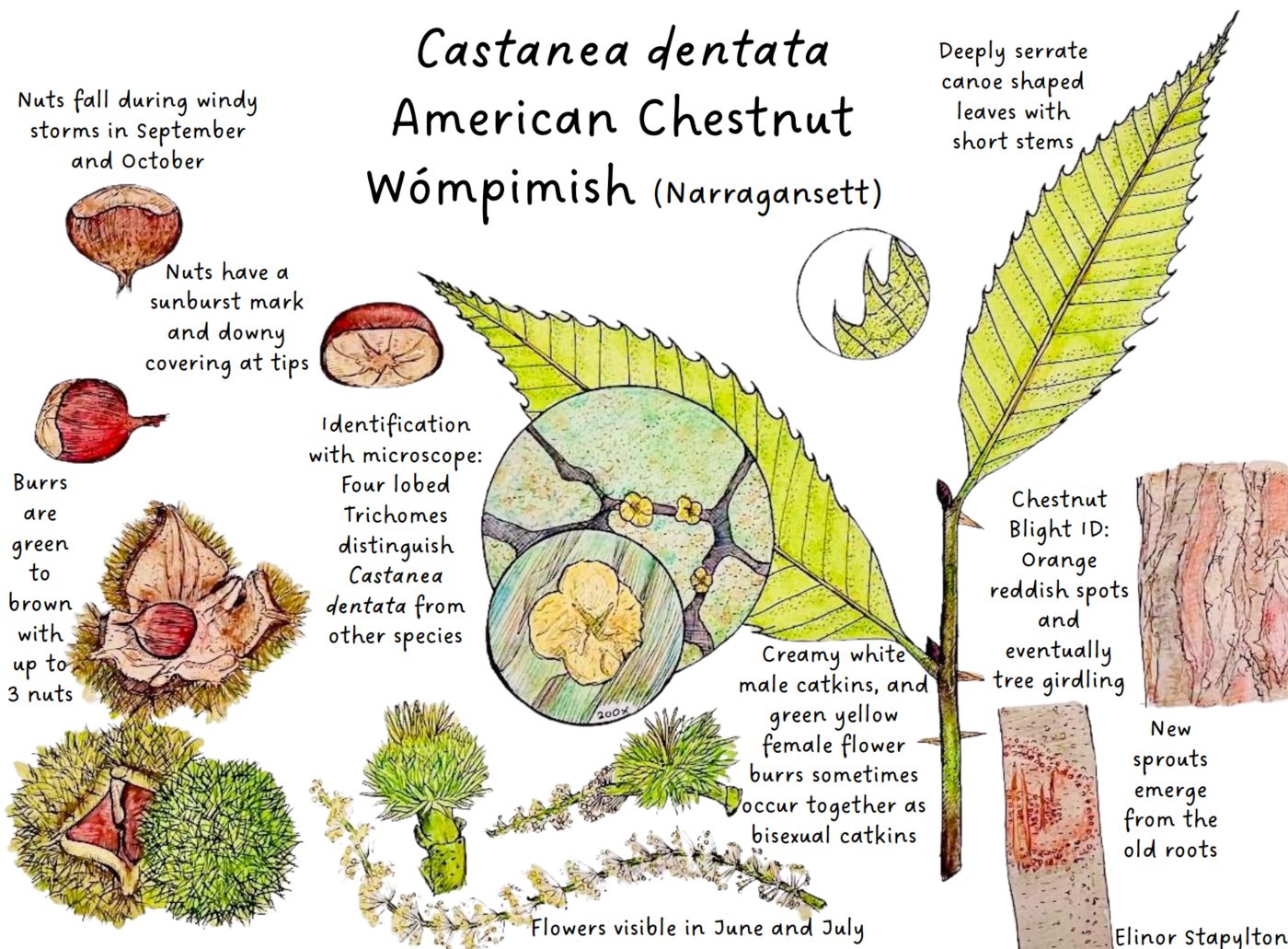
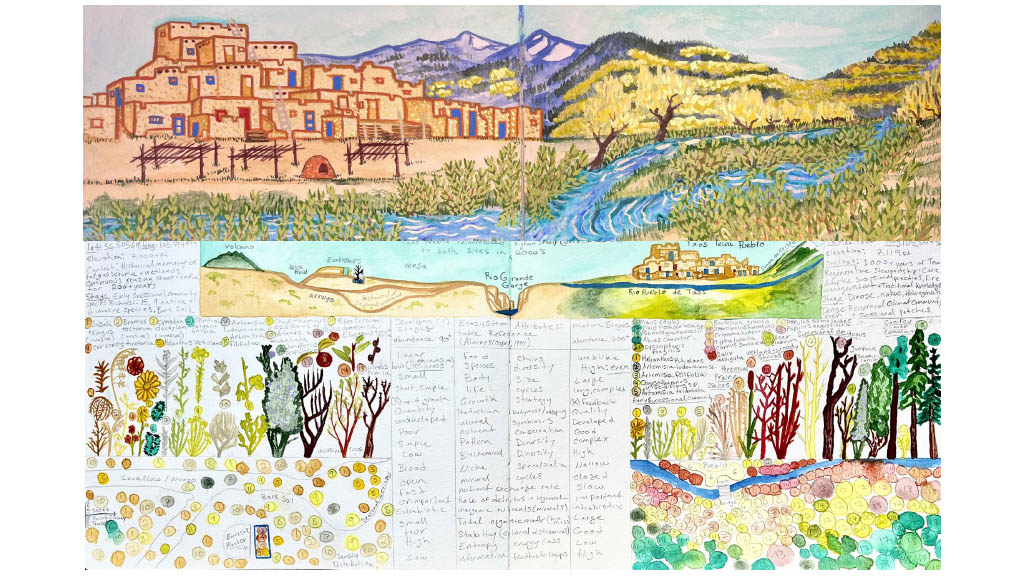
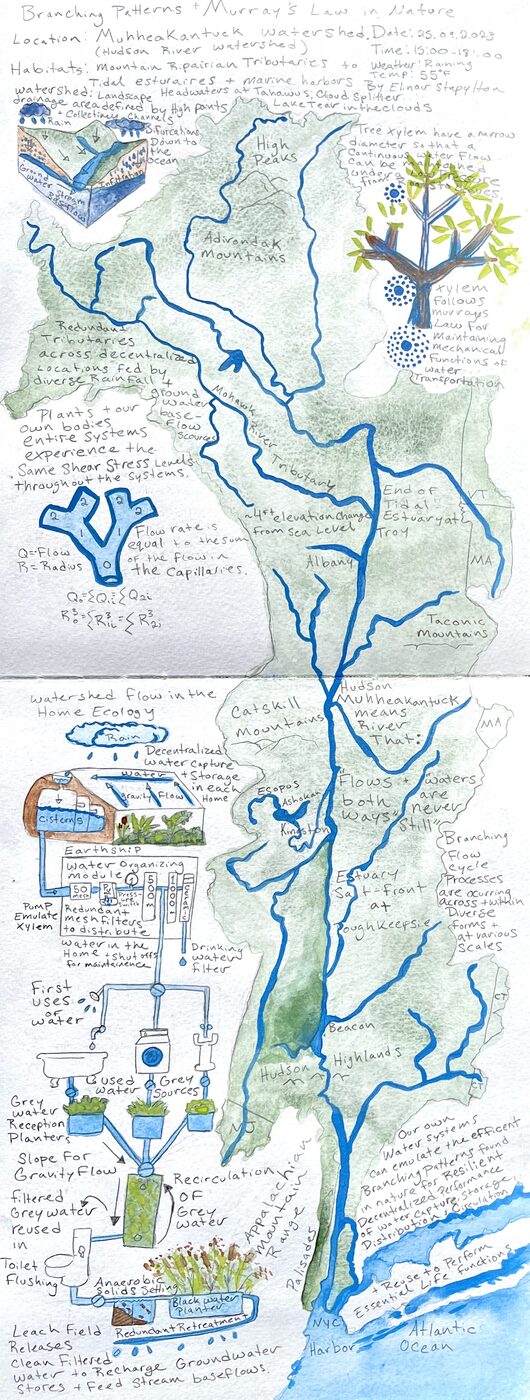
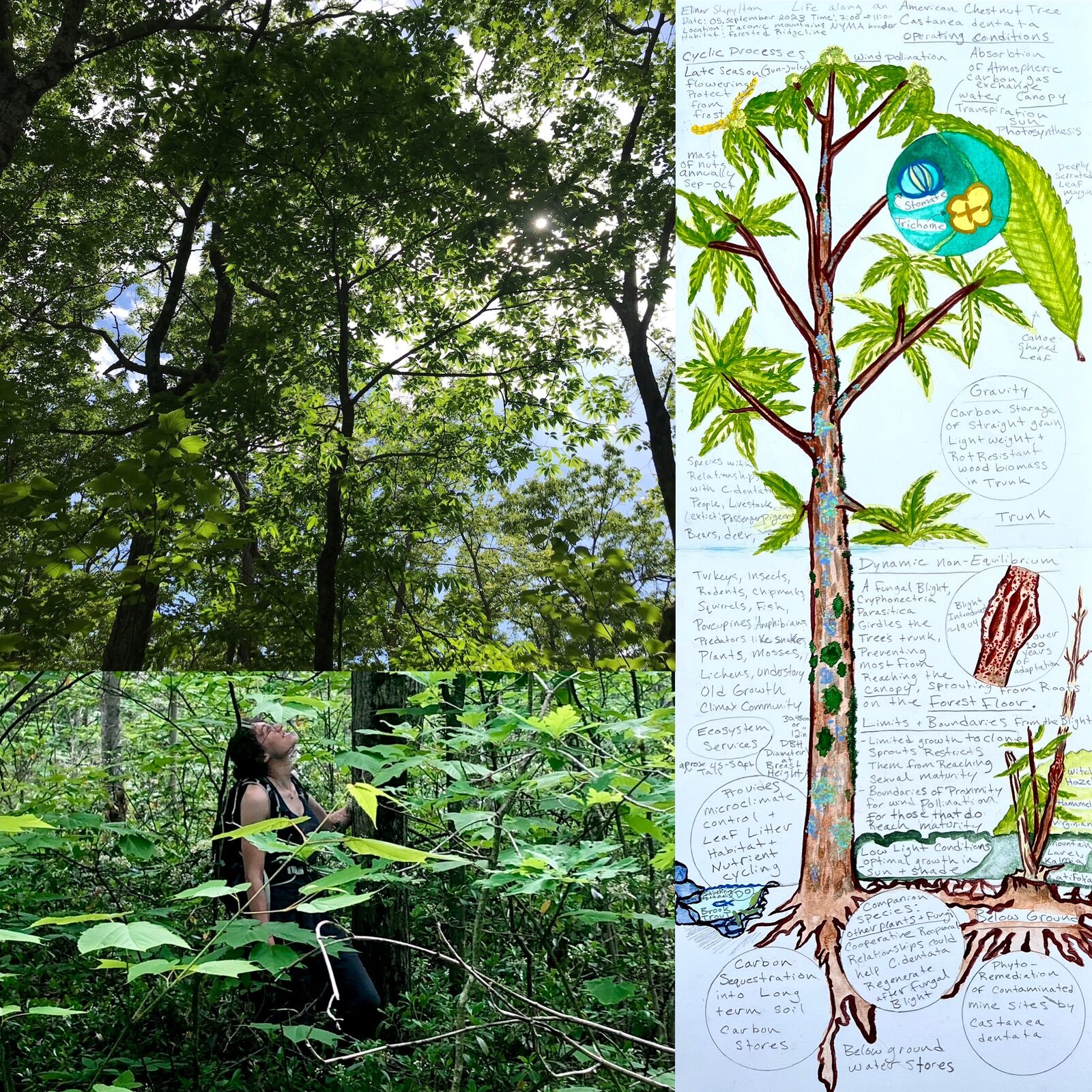
American Chestnut: Back from Functional Extinction
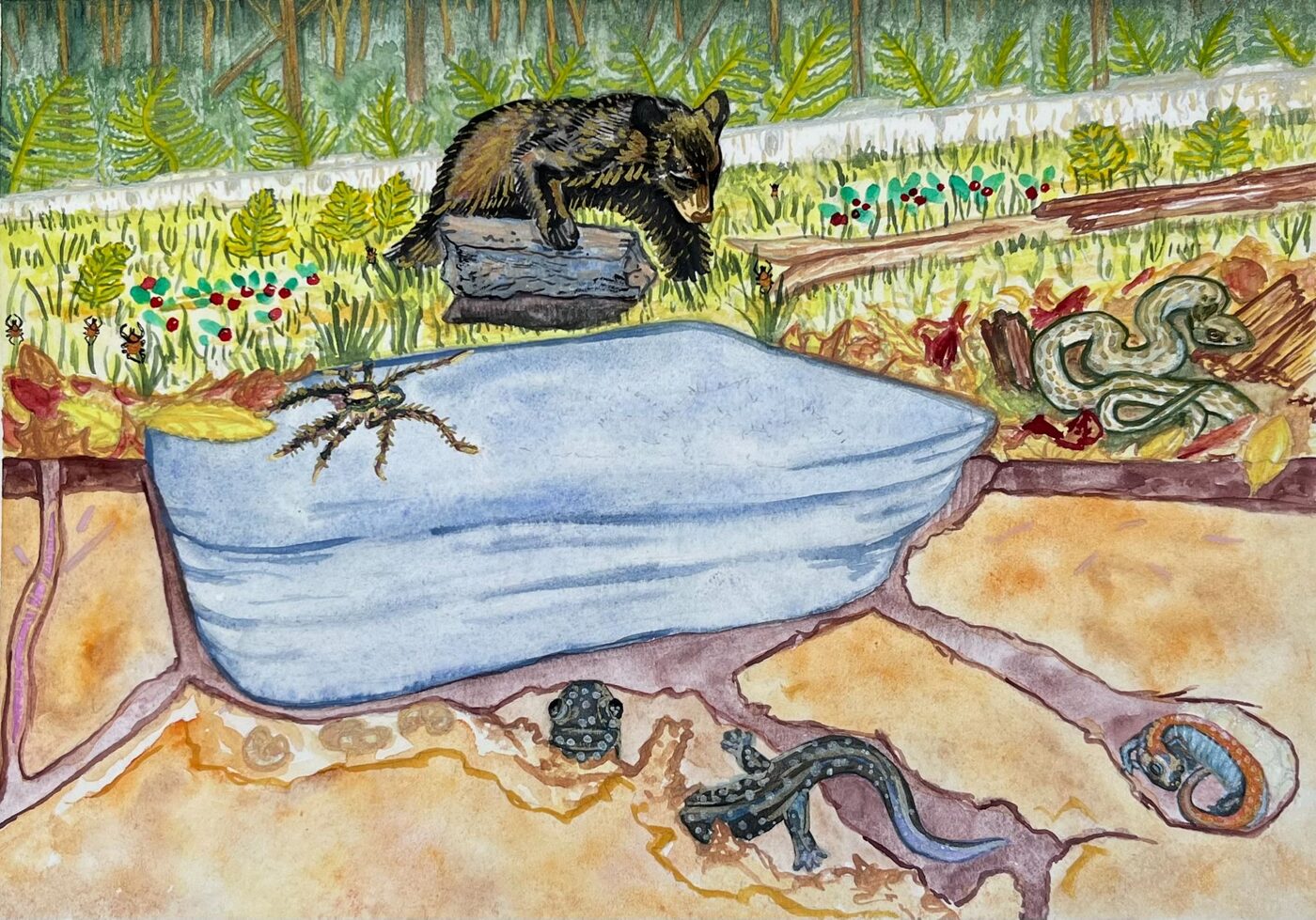
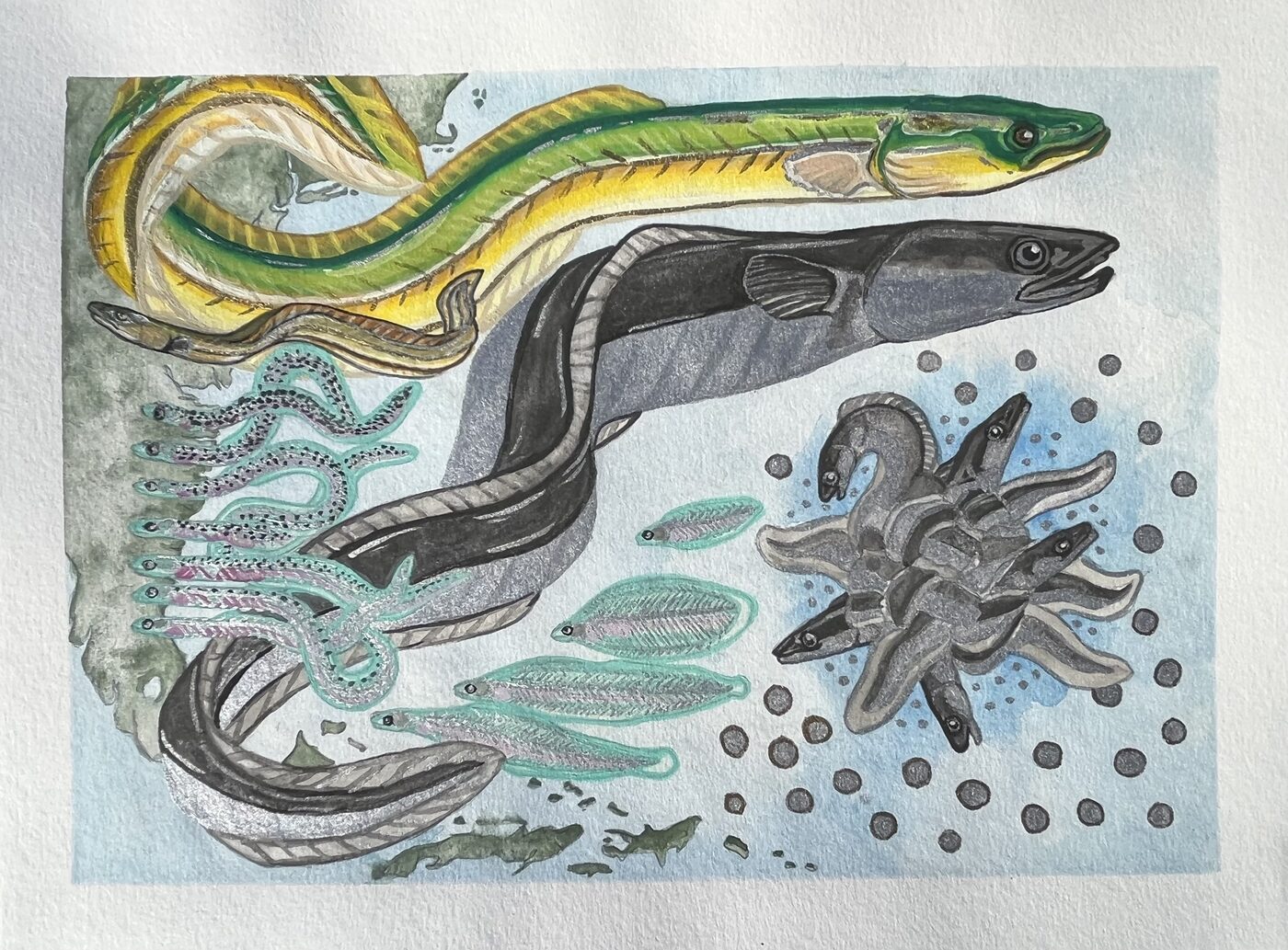
2023–25, Beam Paints, 18” × 11” — Series of nature journaling storytelling education and outreach materials made with Beam Paints for the Lower Hudson Partnership For Regional Invasive Species Management. View on Instagram
Invasive Species Research and Land Stewardship
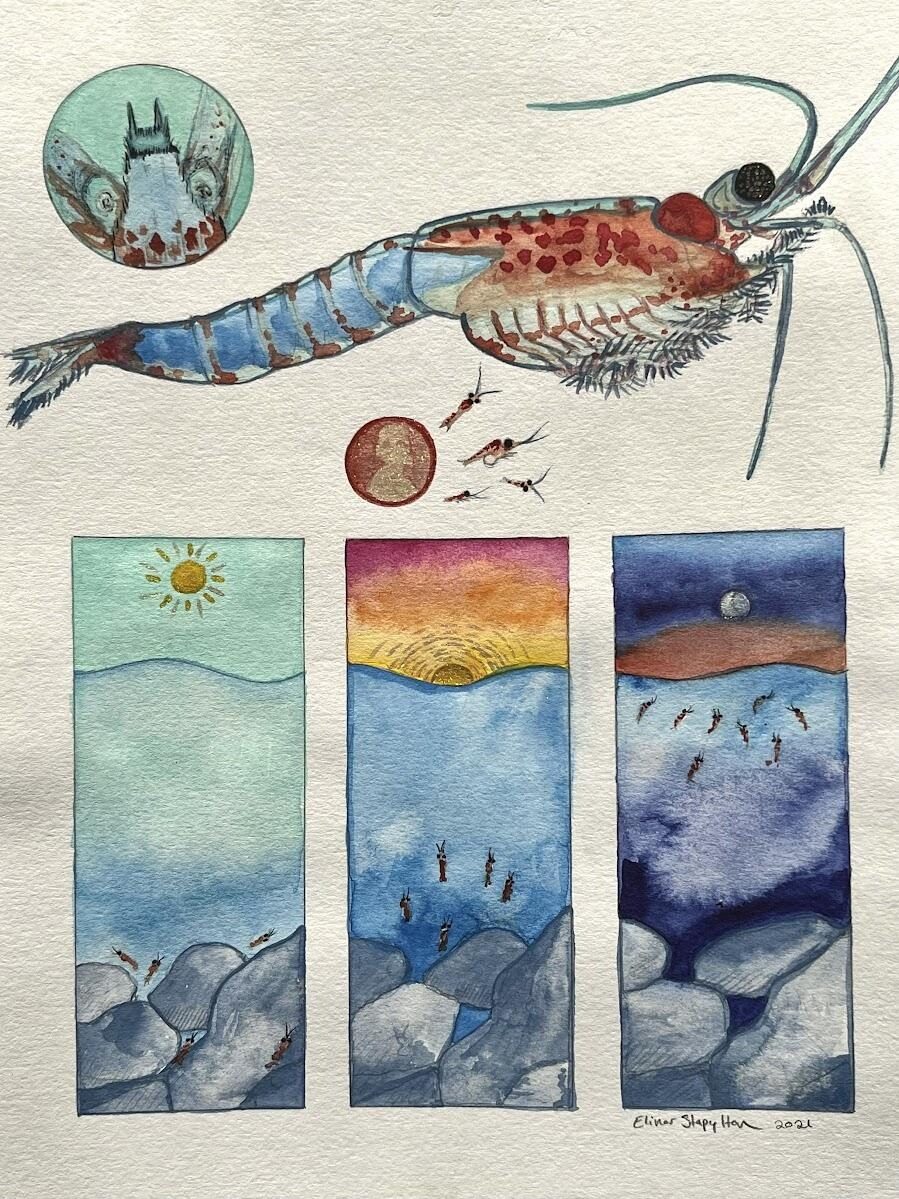
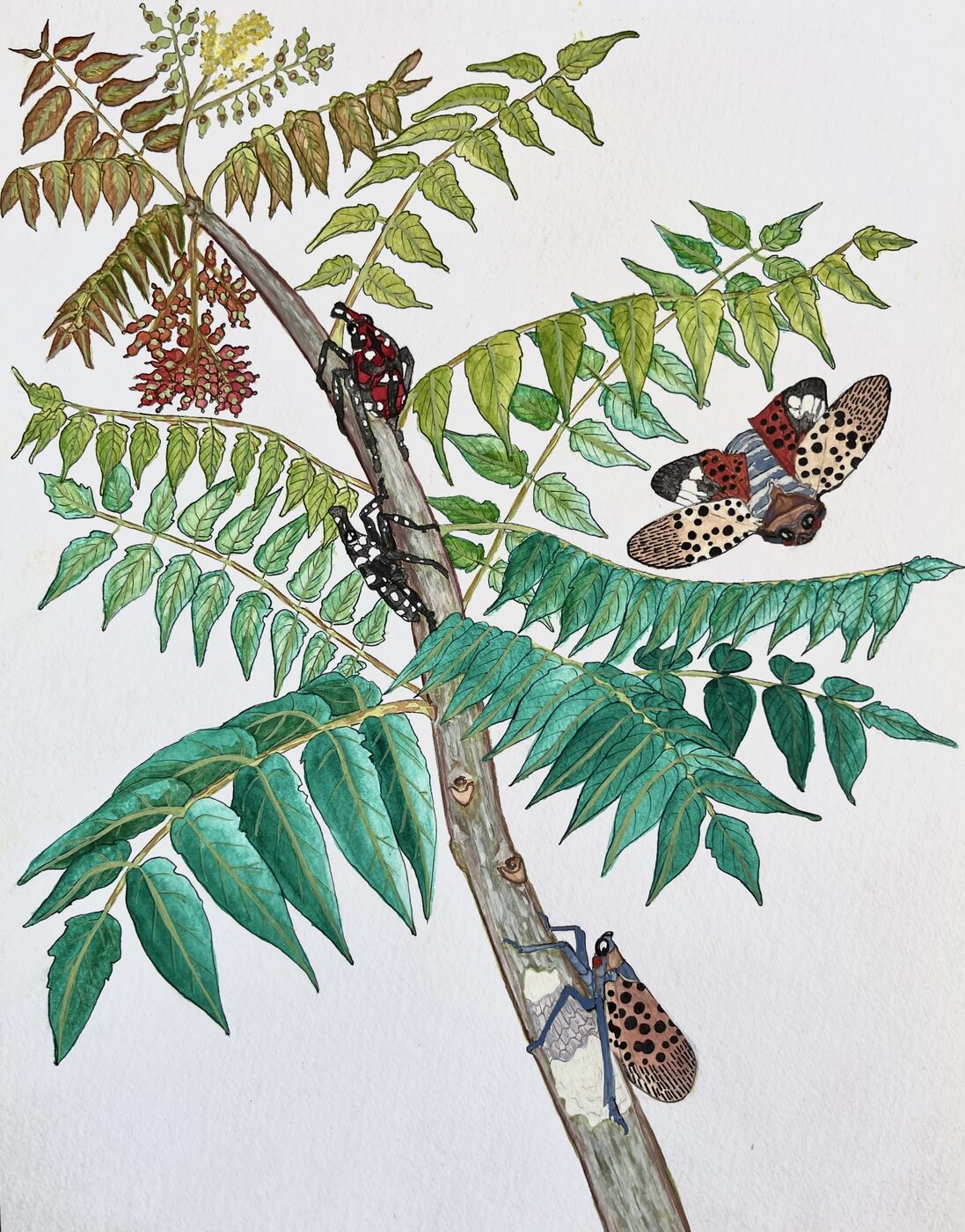
Early detection surveys and observations for invasive species dynamics is one way to assess impacts they have on native food webs. By understanding lifecycle and invasion pathways, practitioners can best learn how to stop the spread and minimize the impacts of invasive species on native communities. Learning how to recognize species is the first step in learning about potential system impacts and is an easy entry for citizen scientists to learn how to partner in support of their native ecosystems.
For invasive species surveys and management of your site you can schedule a preliminary property walk with me.
View on Instagram →
View on Instagram →
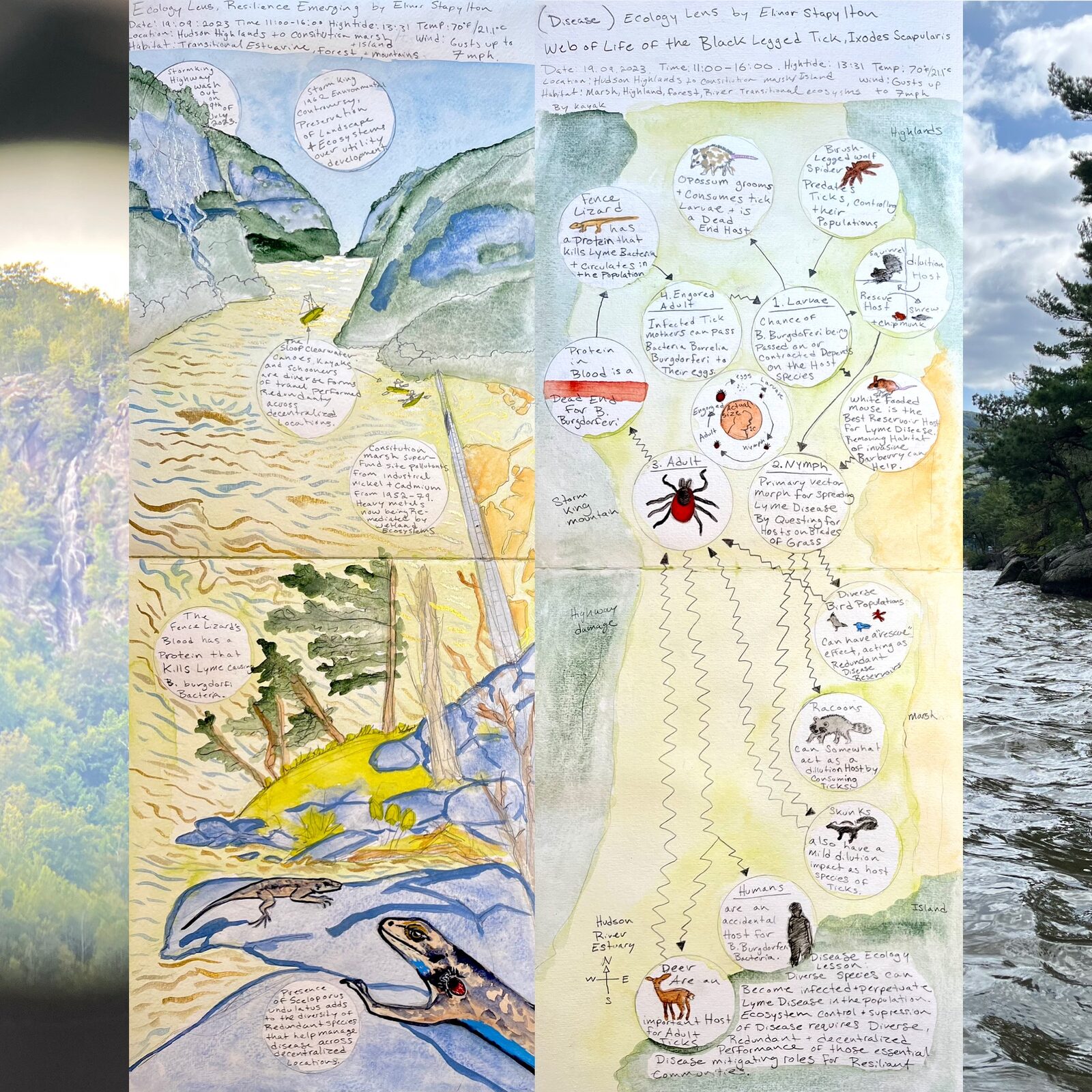
Nature Journaling for Nature-Based Solutions
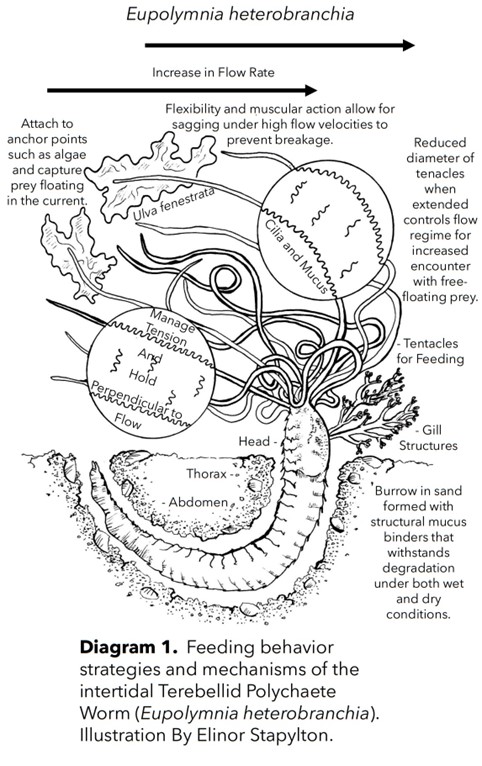
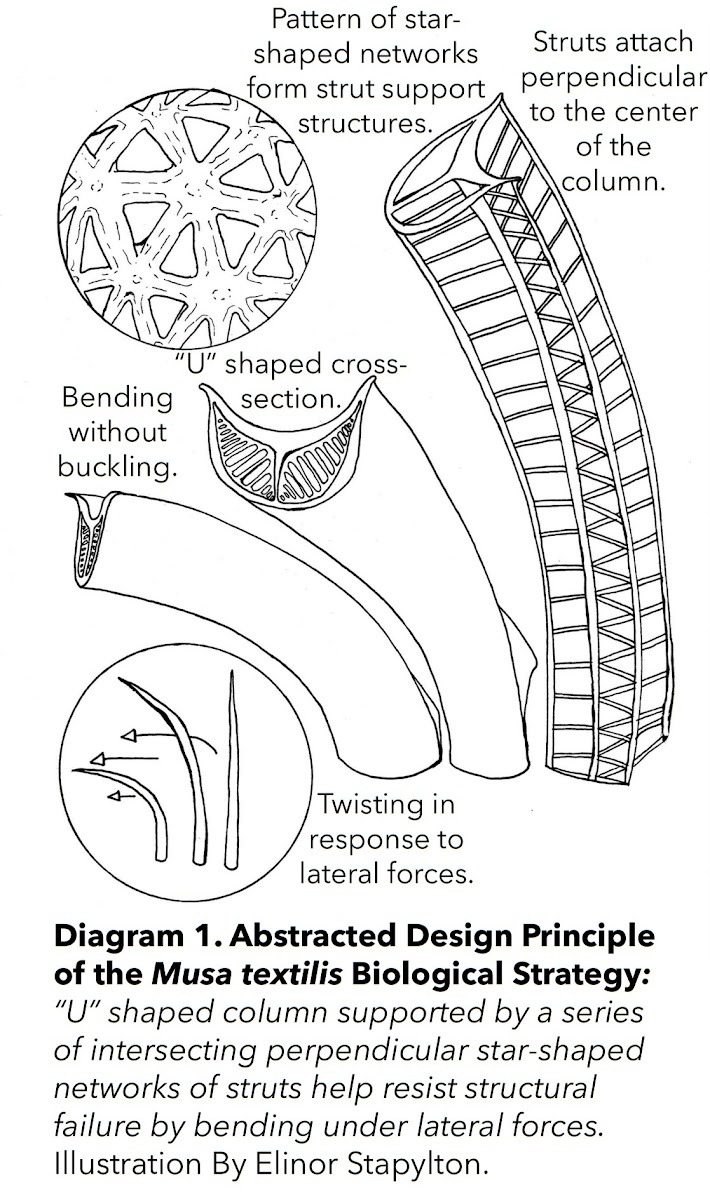
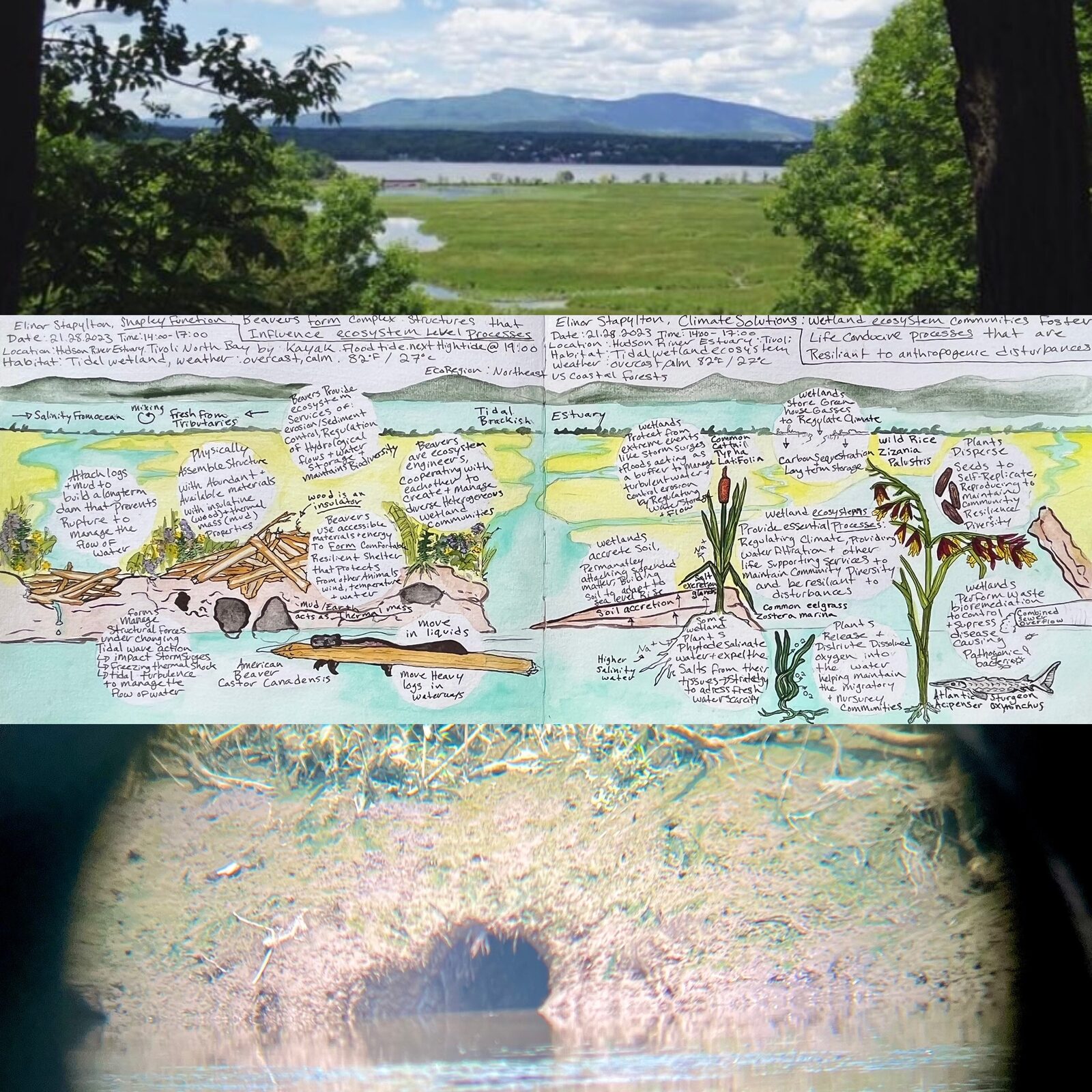
Biomimetic solutions are low cost, decentralized, and accessible to help promote the resilience of our systems to disturbances. By making observations through artistic journaling practices we can take lessons from nature and implement place-based, intentional solutions for resilience across interdisciplinary fields.
Solutions need to be applied everywhere, accessibly, at low cost, in redundant and varied applications so that the loss of our supporting system structures in one locality does not mean the collapse of the system as a whole. By looking to nature for solutions to our problems we can find adaptations with applications from disease interactions to nutrient management and beyond. Observing nature through journaling in this way creates opportunities for community and citizen science engagement in creating new evolutions in nature inspired design.
See the Events page for upcoming nature journaling programs.
View on Instagram →
View on Instagram →
Scientific Illustration & Art
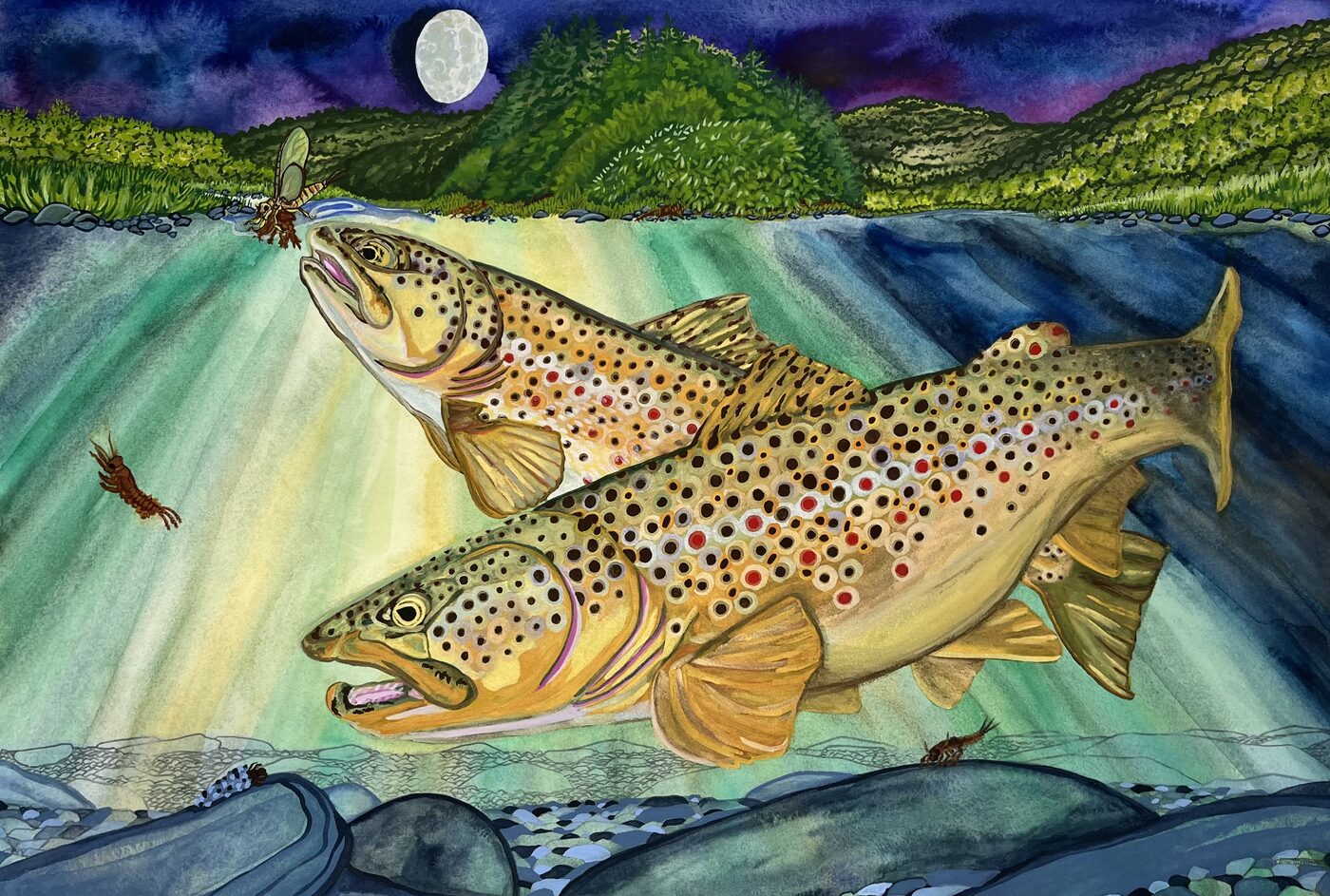
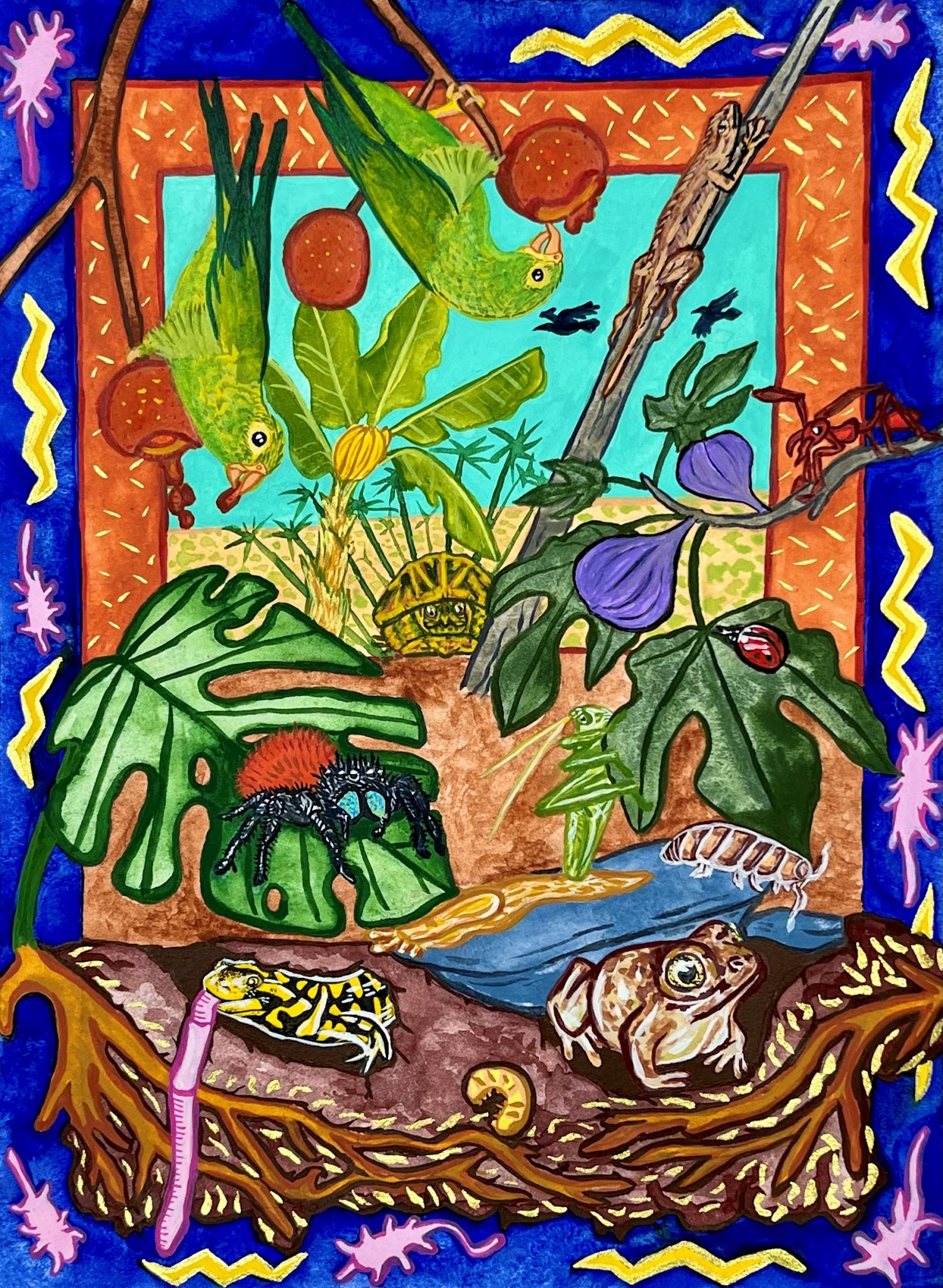
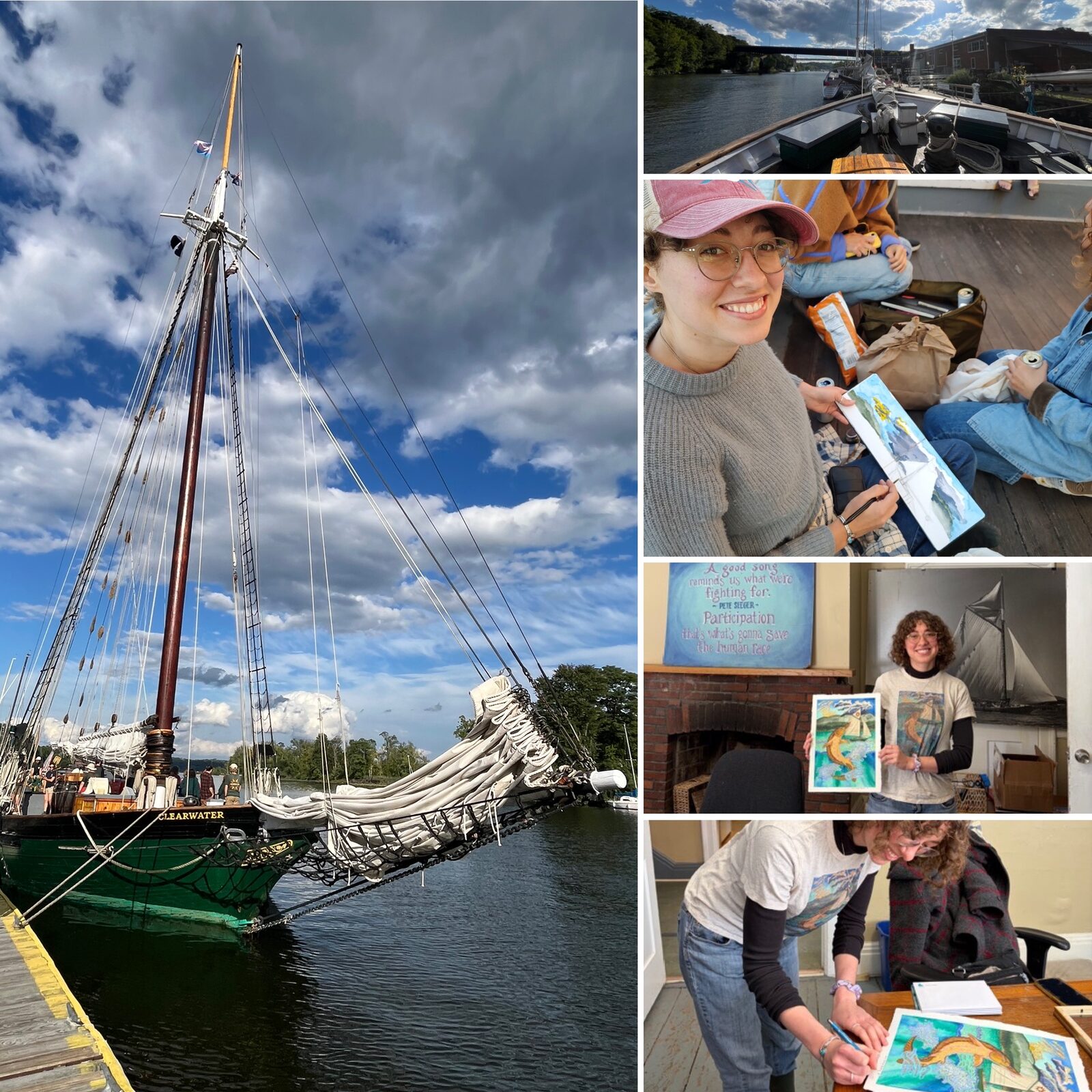
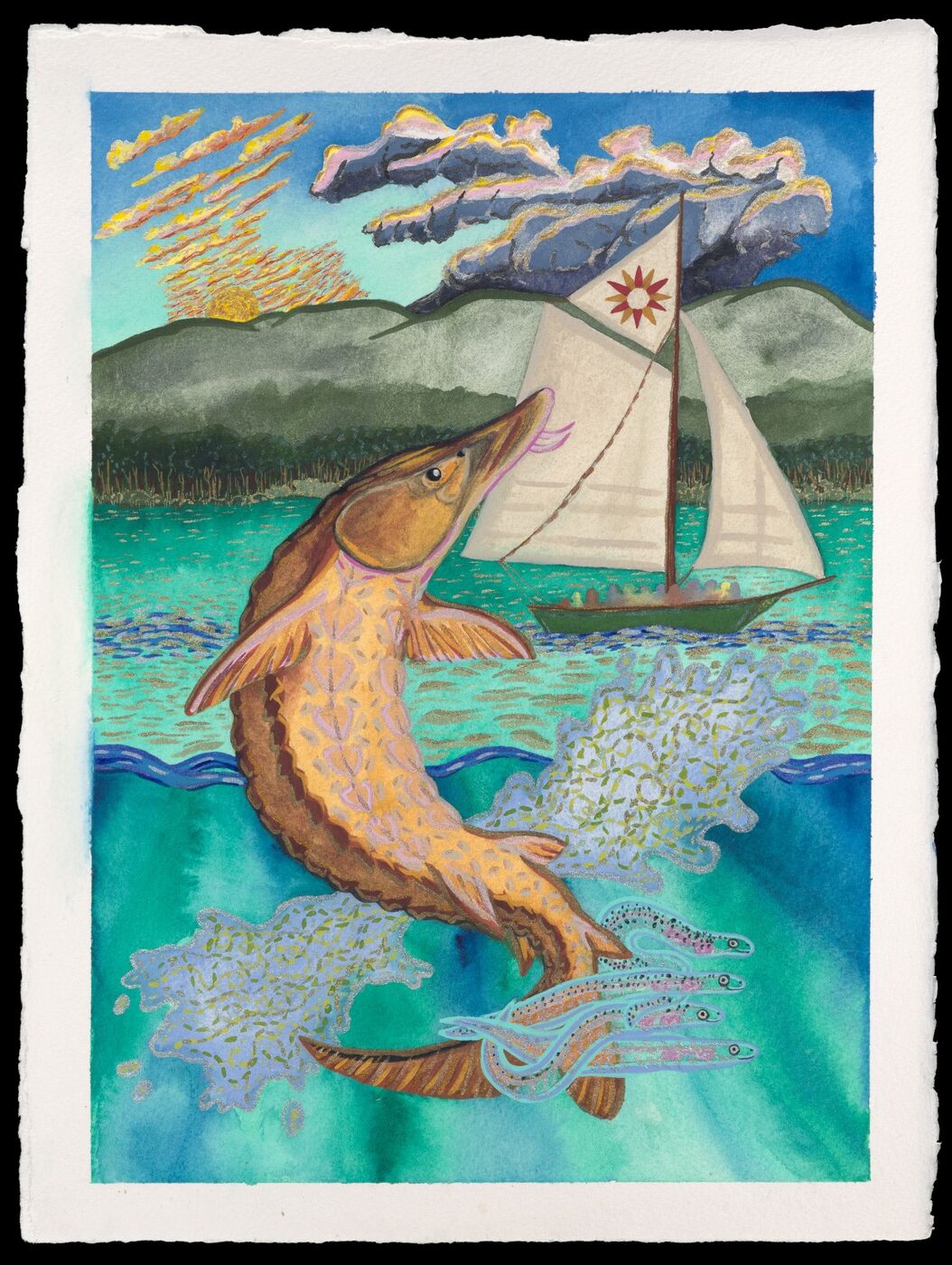
Art as a practice of careful observation is a critical scientific skill that helps isolate key forms and factors and illuminate whole system processes and interactions at scale as well. Cultivating a practice of observation creates opportunities to be inspired by nature in accessible and low cost ways. Using all natural earthen pigments and binders in watercolor paintstones crafted by indigenous artists at Beam paints, ensures an art practice that is life safe in its chemistry to create intentional conservation art.
Support this nature-based design work by purchasing art or commissioning pieces.
View on Instagram →