Earthship Research & Development
Earthship Research & Development
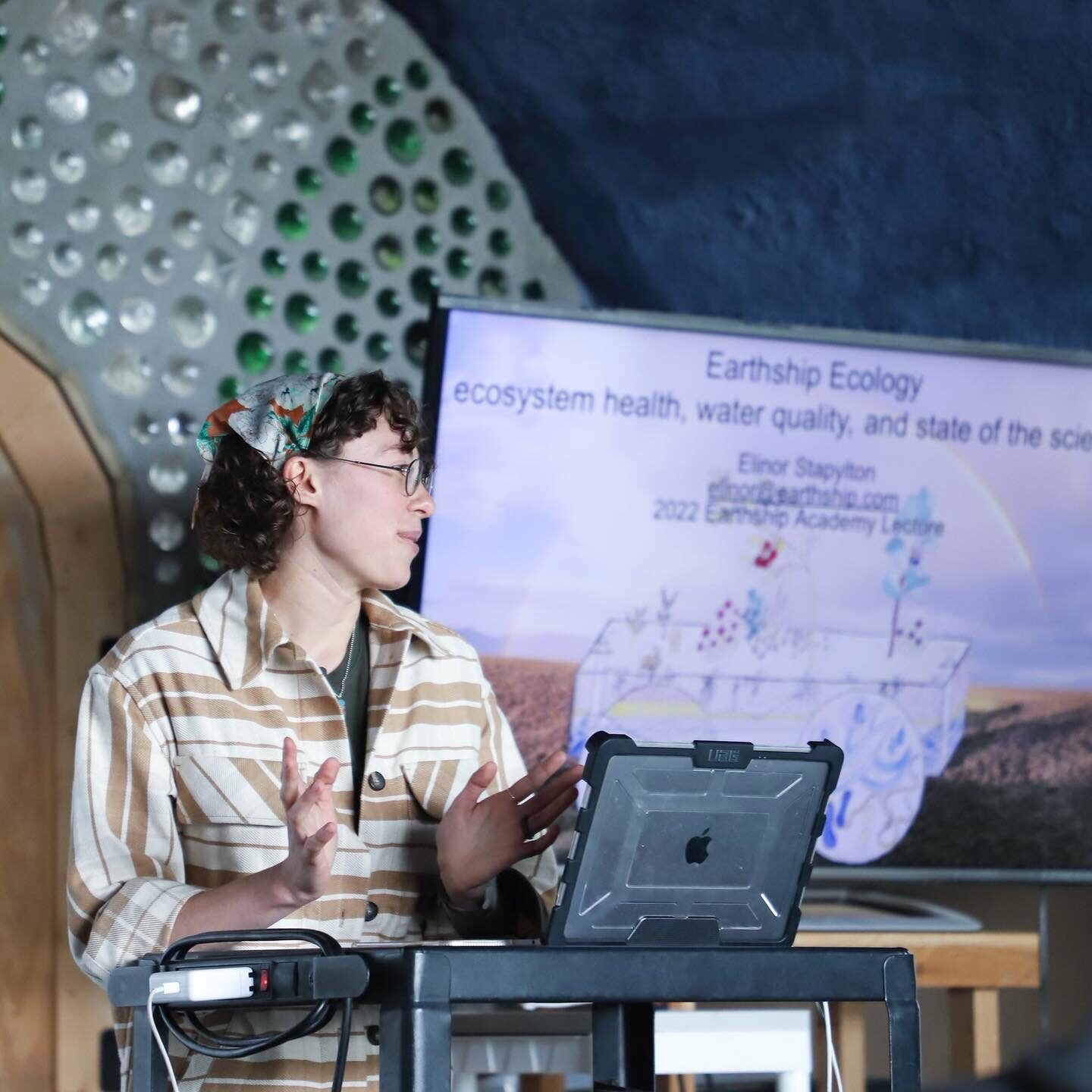
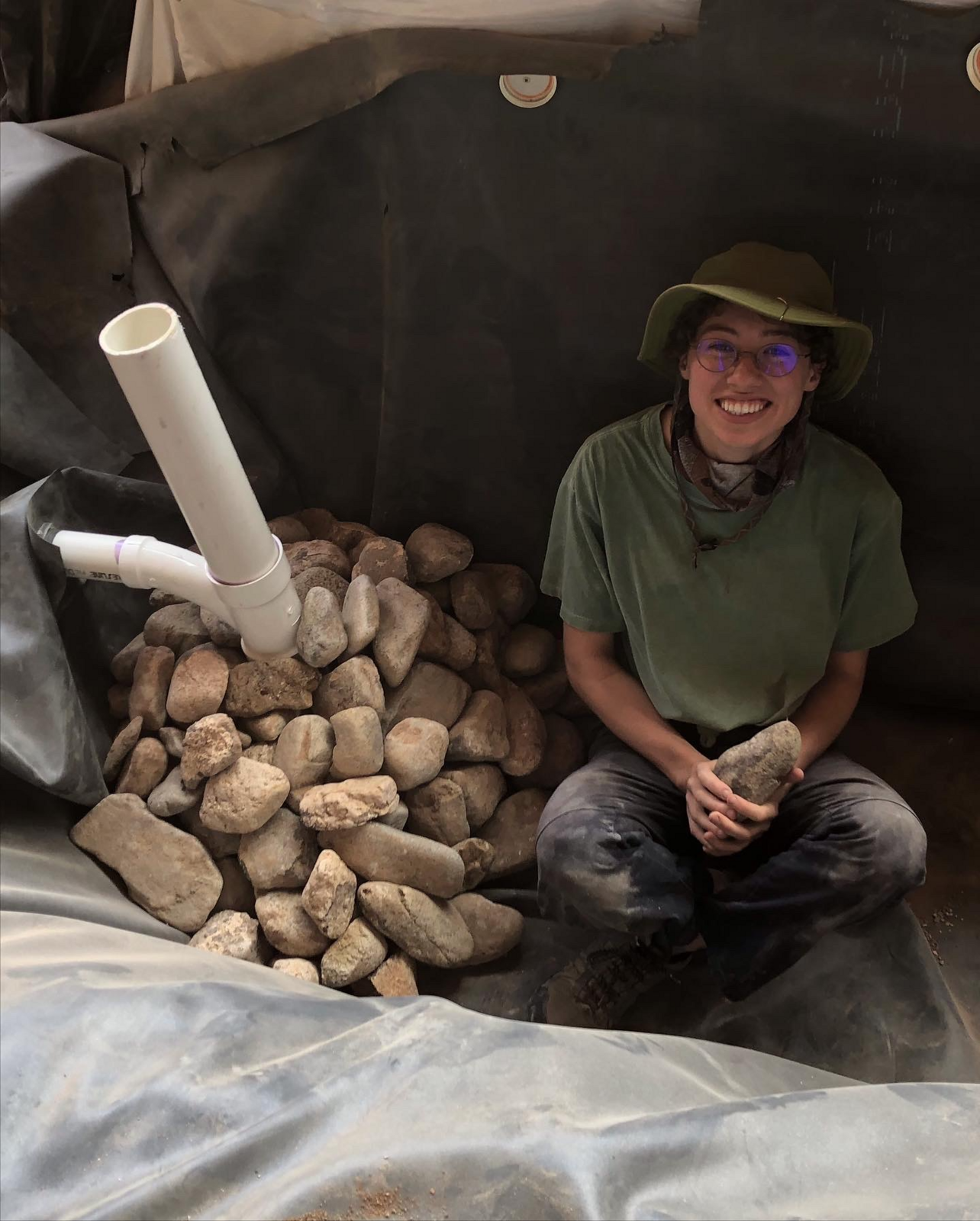
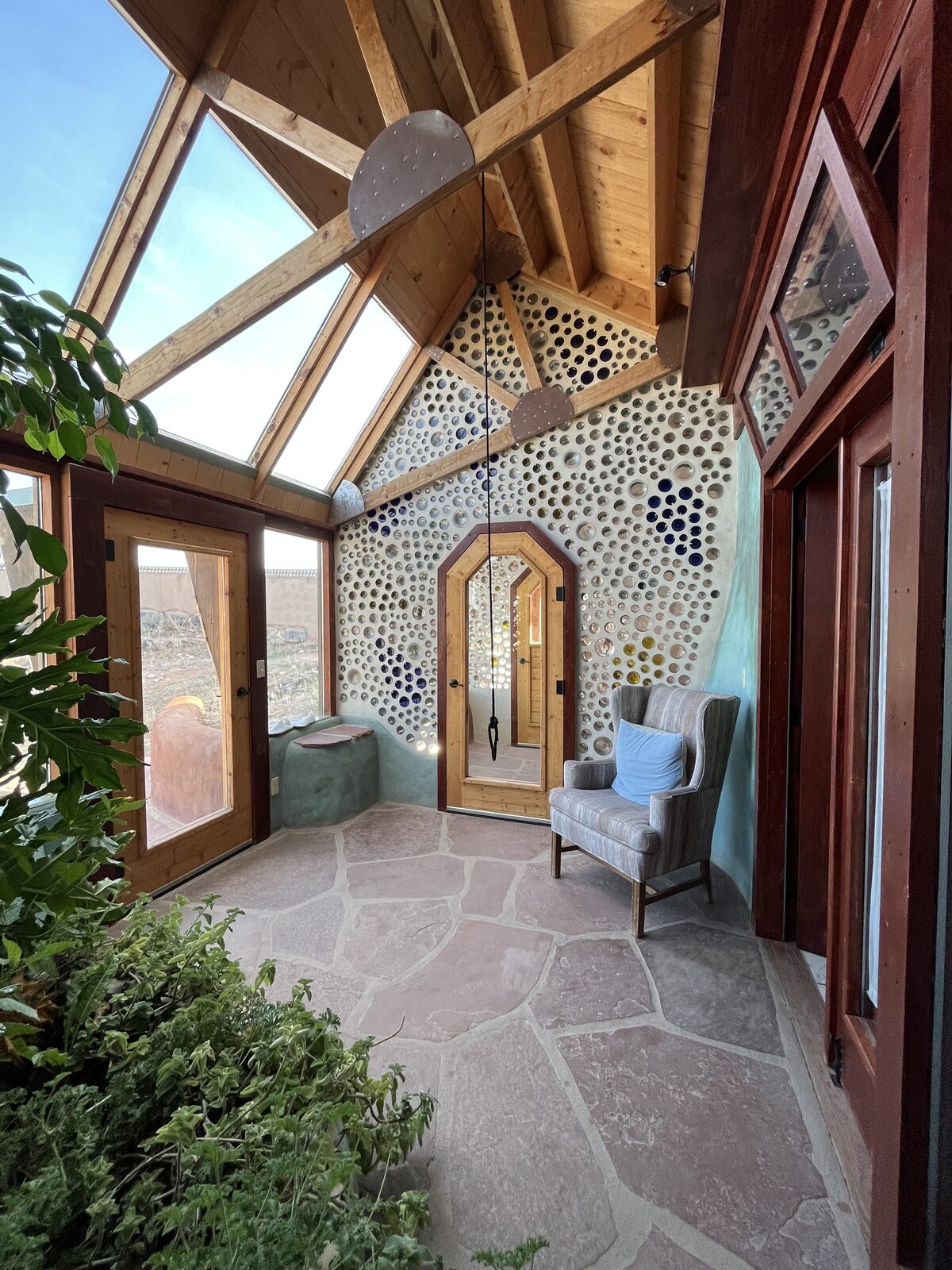
Research, development, and education on Earthship solutions for meeting our essential needs for living. This interdisciplinary work encompasses building with natural and garbage materials, passive heating and cooling, water collection and remediation systems, food producing, and electricity generating systems that perform without fossil fuel inputs.
Using low-cost multiparameter testing methods, I established baselines for system biodiversity and health metrics in Earthship greenhouses. The systems demonstrated safe greywater remediation, with higher plant diversity leading to significantly increased reduction of antibiotic resistance indicator bacteria — and bacterial communities capable of generating electricity.

Native Ecology Conservation
Native Ecology Conservation
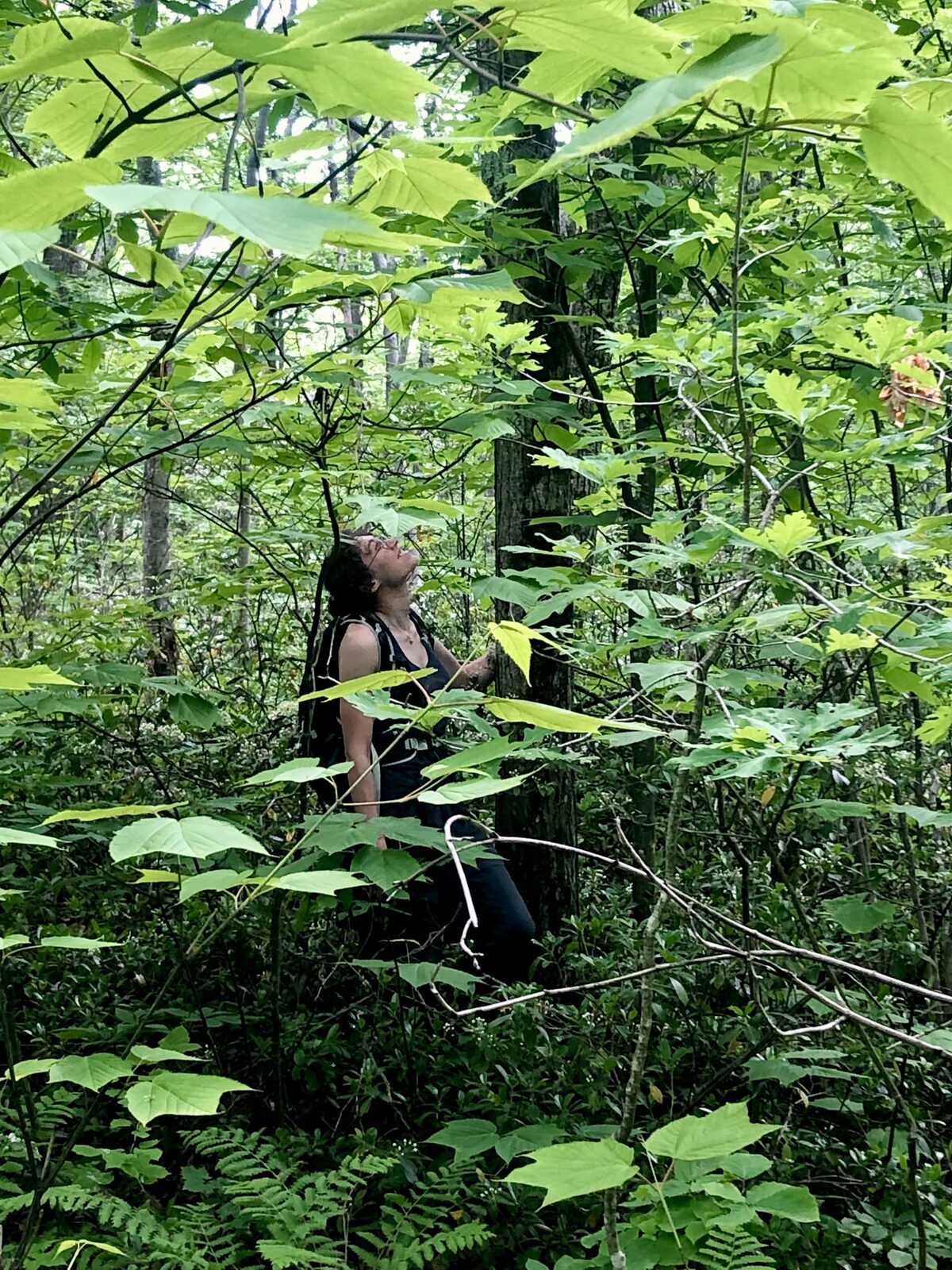
Bioregional habitat conservation for the preservation of native food web dynamics through diverse community science programs. I conduct surveys for seed saving and propagation of native food producing plants — including searching for wild American Chestnut trees with fungal blight resistance genes for genetic conservation in agroforestry applications.
Partnering with native plants supports locally adapted genetic diversity at the ecosystem base level, promoting native insect biodiversity and higher trophic level diversity through conservation forest farming practices.
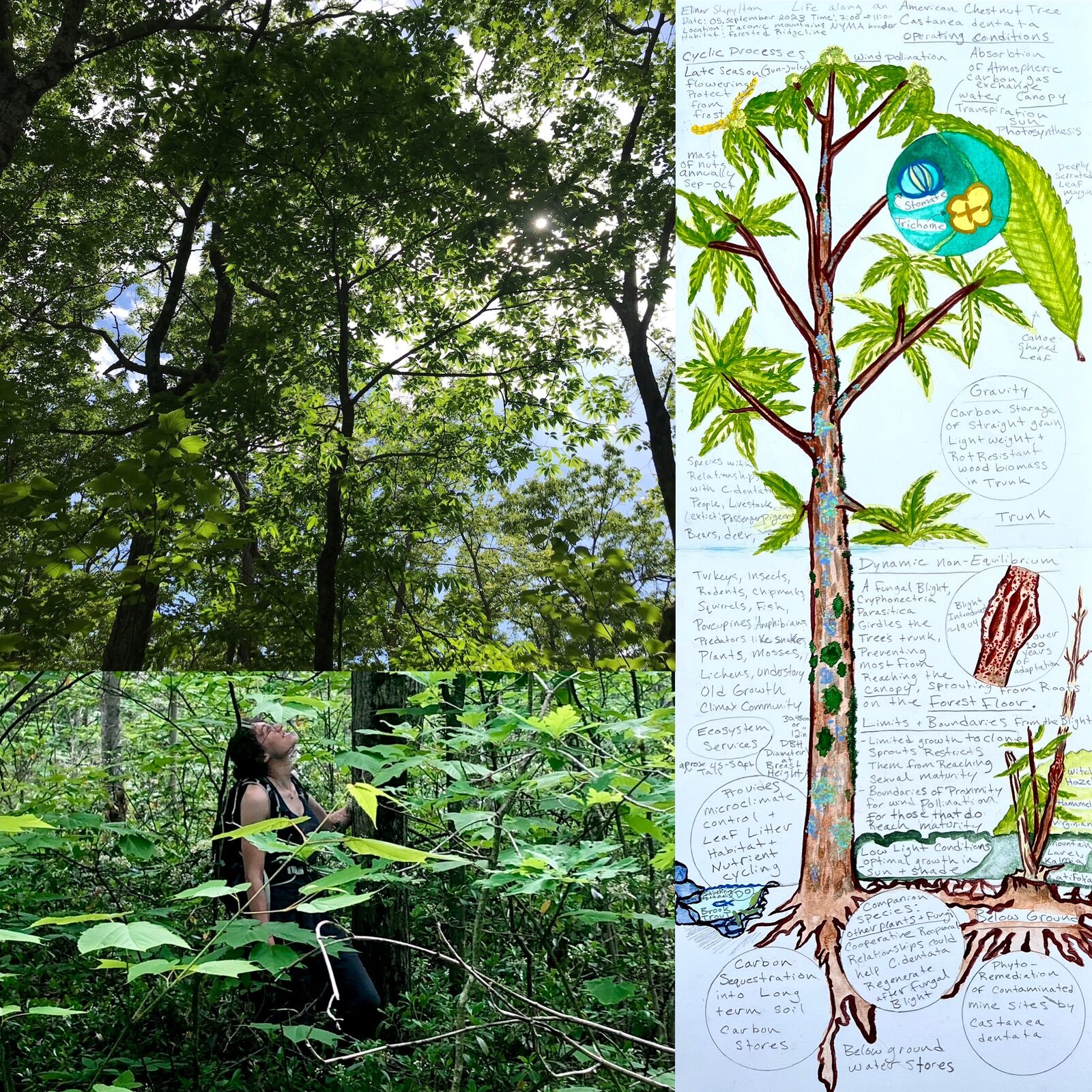
American Chestnut: Back from Functional Extinction
2023–25, Beam Paints, 18” × 11” — Nature journaling storytelling education and outreach for the Lower Hudson Partnership For Regional Invasive Species Management. View on Instagram
Invasive Species Research

Invasive Species Research
Early detection surveys and observations for invasive species dynamics assess impacts on native food webs. By understanding lifecycle and invasion pathways, practitioners can stop the spread and minimize impacts on native communities. Recognizing species is the first step and an easy entry for citizen scientists to partner in support of their native ecosystems.
Nature Journaling
Nature Journaling for Nature-Based Solutions
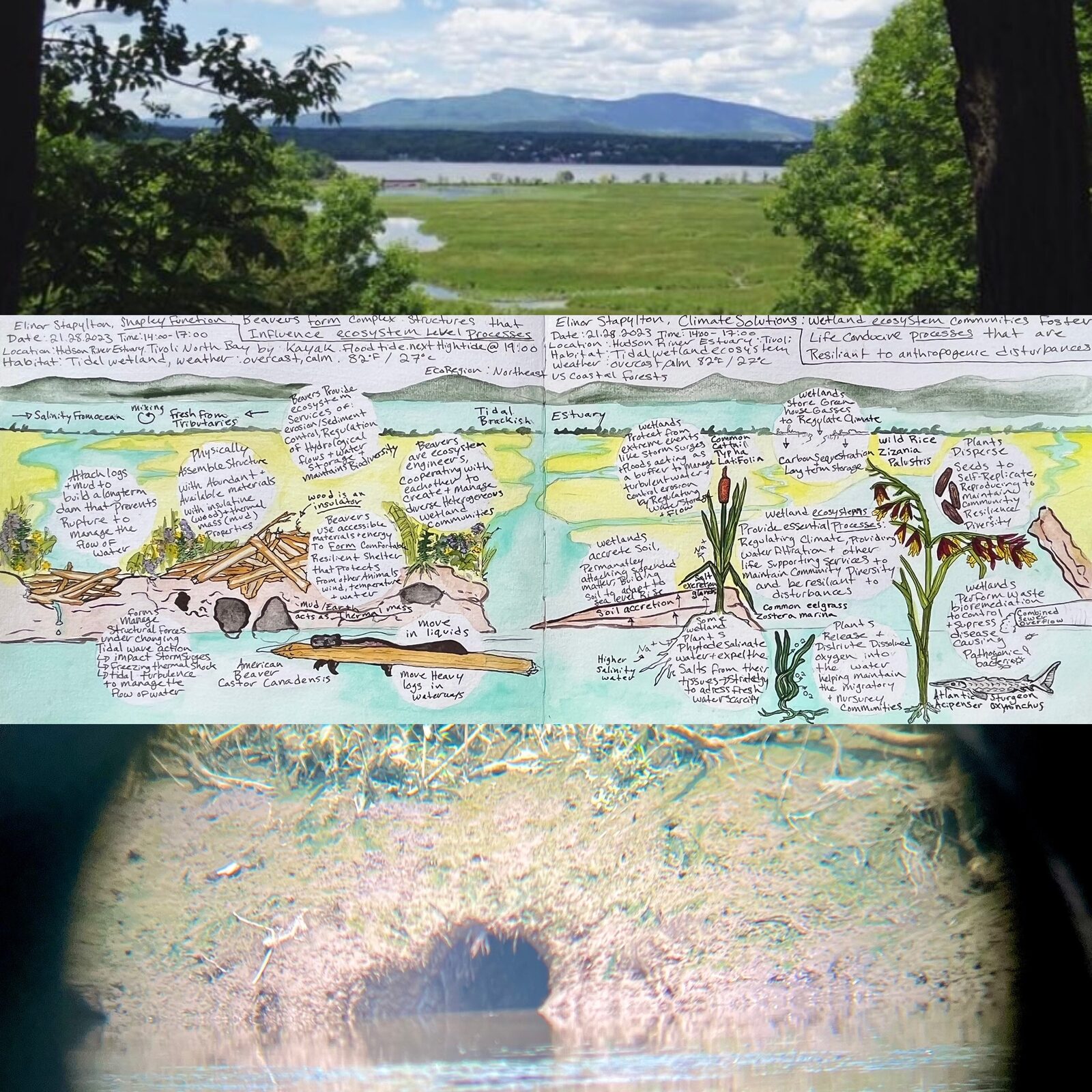
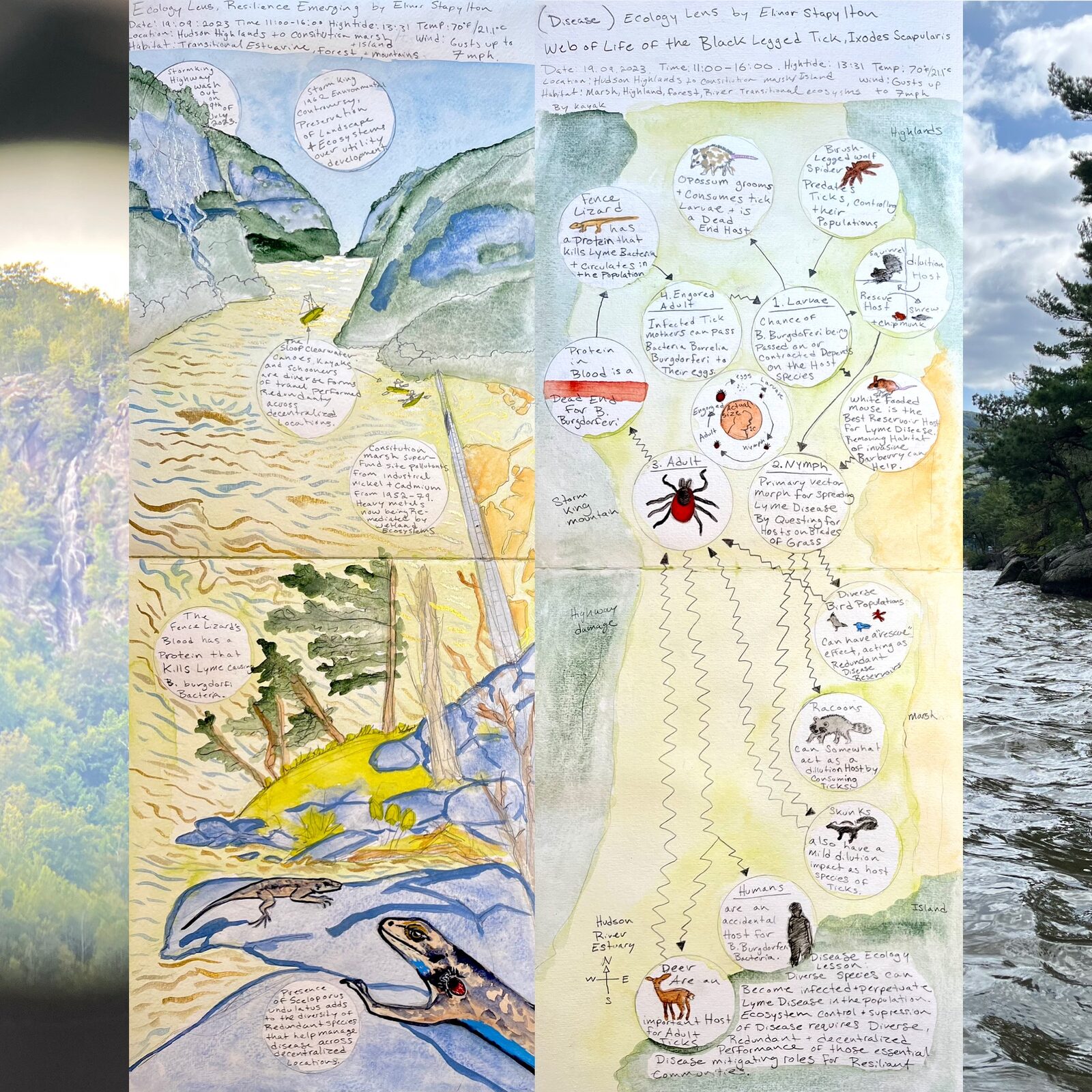
Biomimetic solutions are low-cost, decentralized, and accessible. Through artistic journaling practices we take lessons from nature and implement place-based, intentional solutions for resilience — finding adaptations with applications from disease interactions to nutrient management and beyond.
Scientific Illustration & Art
Scientific Illustration & Art
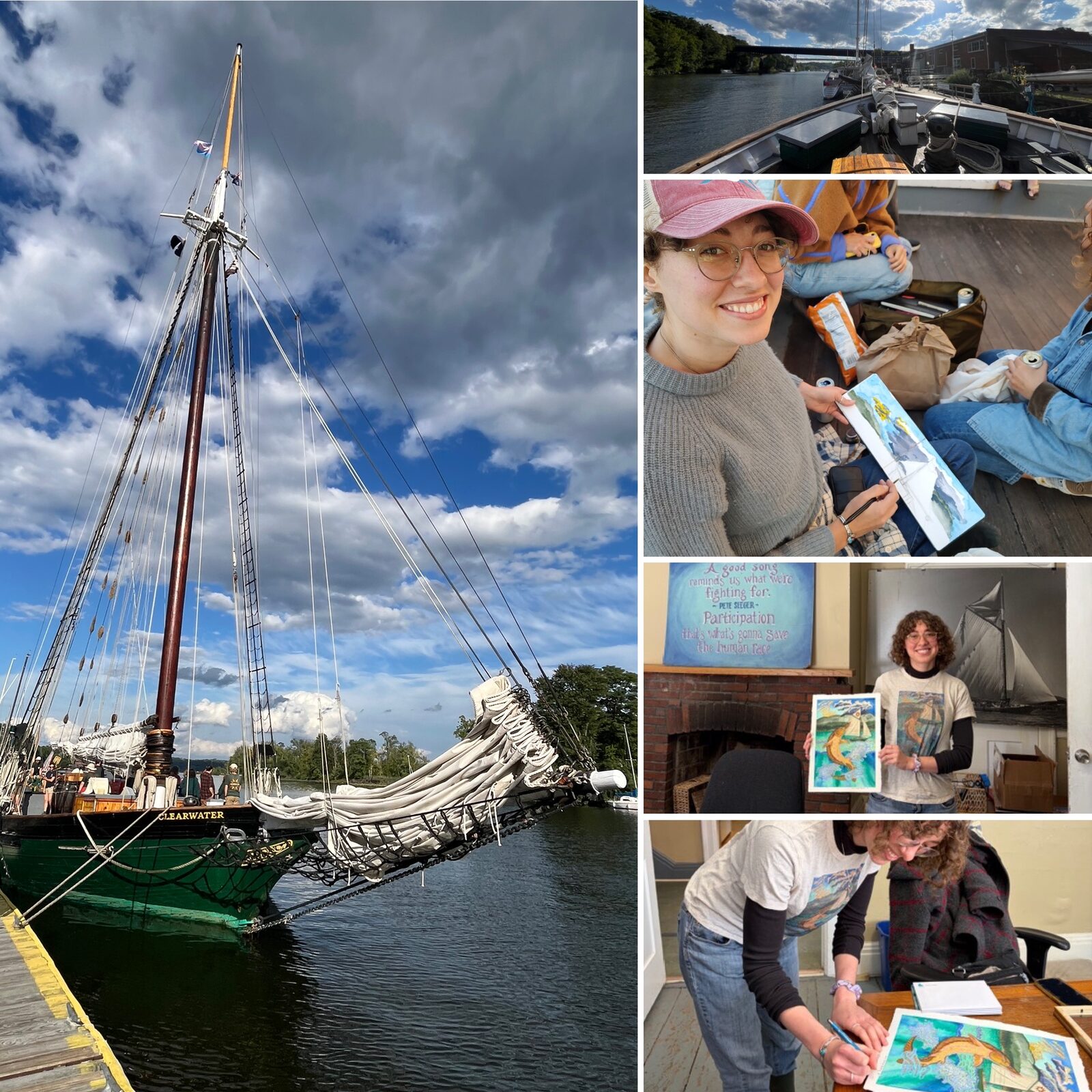
Art as a practice of careful observation is a critical scientific skill that helps isolate key forms and illuminate whole system processes at scale. Using all-natural earthen pigments and binders in watercolor paintstones crafted by Indigenous artists at Beam Paints ensures an art practice that is life-safe in its chemistry.
Selected: Estuary Rising (2026) — Clearwater Gala Cover Art. Instagram · Environmental Engineers (2023–25) — Lower Hudson PRISM. Instagram · Tick Disease Ecology (2023–25). Instagram